Art Deco statues are easy to notice and easy to misunderstand. A figure on a skyline or in a plaza can look like a single dramatic object, yet its real work often begins with the building, street, or doorway around it. The most rewarding examples use form, setting, and symbol together, so a visitor can read something of a place before stepping inside.
What is an Art Deco statue?
An Art Deco statue is more than a figure made during the 1920s or 1930s. It is usually designed to register quickly, then reveal more as a viewer changes distance.
Read More
Look first for a controlled silhouette. Art Deco sculpture often makes a body, animal, tool, or symbol feel clear from far away through simplified masses, strong contours, and deliberate symmetry. That clarity does not mean the work is empty. It means the artist has decided what a passerby should notice before the smaller details come into view.
Setting matters just as much. A small freestanding object can invite a viewer to walk all the way around it. A figure above an entrance must work from the sidewalk. A relief on a civic facade has to hold its own against windows, stone, traffic, weather, and the scale of the building. The National Park Service identifies geometric forms, vertical emphasis, and elaborate ornament among the familiar features of Art Deco architecture. In sculpture, those traits help an image belong to the larger composition rather than interrupt it.
That is why a useful definition includes purpose. Art Deco statues frequently make a public idea visible: knowledge at a library, law at a capitol, work at a commercial building, or aspiration at a civic entrance. The image may draw on mythology or history, but it is not simply an illustration. It gives a visitor an emotional and visual way into the place.
1. Start with the silhouette
Before trying to identify a subject, notice the statue’s largest shape and the direction it gives your eye.
Read More
A figure may stand erect, lean forward, spread its arms, carry a globe, or rise from a low block of stone. These choices make the work legible at the speed of a street. Art Deco artists often reduced complicated anatomy and drapery into planes, rhythms, and repeated lines, so the statue would not dissolve into visual noise at a distance.
Lee Lawrie and René Paul Chambellan’s Atlas at Rockefeller Center is a helpful example. The official Rockefeller Center record explains that Lawrie conceived and designed the figure, while Chambellan modeled it from his sketch. Atlas carries an armillary sphere rather than the Earth, a distinction that makes the mythology clearer, but the first thing a visitor understands is the broad, burdened outline of a figure holding the heavens.
Try this simple test: step back until the smaller details disappear, then ask what still remains. If the outline still feels purposeful, the artist has made the first visual decision work. Move closer only after that. A statue that succeeds at both distances has a better chance of becoming a memorable public image rather than background decoration.
2. Find out what the statue does for its place
The best question is not only “Who is that?” but “Why is that figure here?”
Read More
At a public building, sculpture can mark an entrance, establish ceremony, give scale to a blank wall, or turn an institution’s purpose into something visible. A figure on a library may suggest learning. A group at a capitol can make ideas about law or civic duty tangible. An animal on a tower may connect a building to the region, industry, or history it represents.
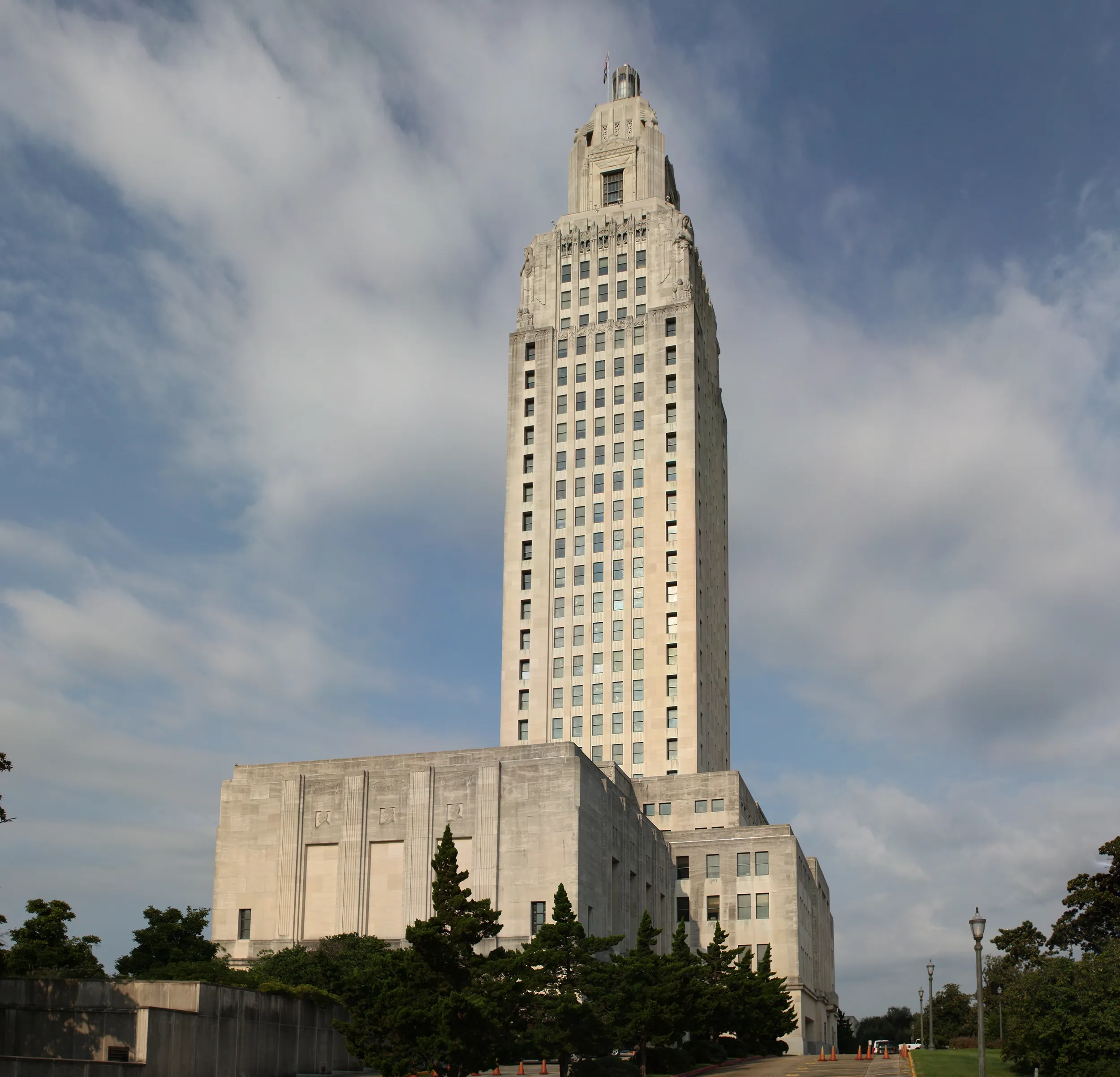
The Nebraska State Capitol makes this relationship especially clear. Its sculptural programme continues across the building rather than stopping at one famous object. The National Park Service notes that the Capitol’s main entrance pavilions include Classical lawmakers, whose placement establishes a dignified public character before a visitor enters. In the archive, the Nebraska State Capitol collection lets readers follow that larger sequence from exterior figures to doors, interior ornament, and the History of Law panels.
Location also changes how a statue is read. A figure high on a facade may need a bold pose and a simple subject because it is seen across a street. A statue at hand level can afford more detailed symbolism. Neither approach is better. They solve different problems of attention, movement, and distance.
3. Read the subject as an invitation, not a riddle
Art Deco statues often draw on gods, historical figures, animals, workers, or abstract virtues. Their meaning becomes clearer when you begin broadly.
Read More
Start with what the subject seems to introduce. A scholar, an owl, a torch, or an allegorical figure can point toward learning. A worker or tool can suggest the labor and resources behind a public building. A mythological figure can lend a large idea, such as endurance, wisdom, progress, or invention, to a modern setting.
This approach avoids the unhelpful pressure to decode every detail at once. At Rockefeller Center, Atlas is not only a reference to Greek mythology. His enormous stance at the International Building’s forecourt gives Fifth Avenue a public image of strength and responsibility. Across the complex, Lawrie’s Rockefeller Center work includes figures, reliefs, and smaller architectural details that extend the same attention to scale and meaning.
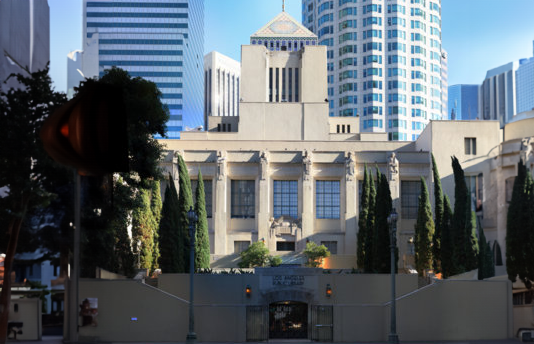
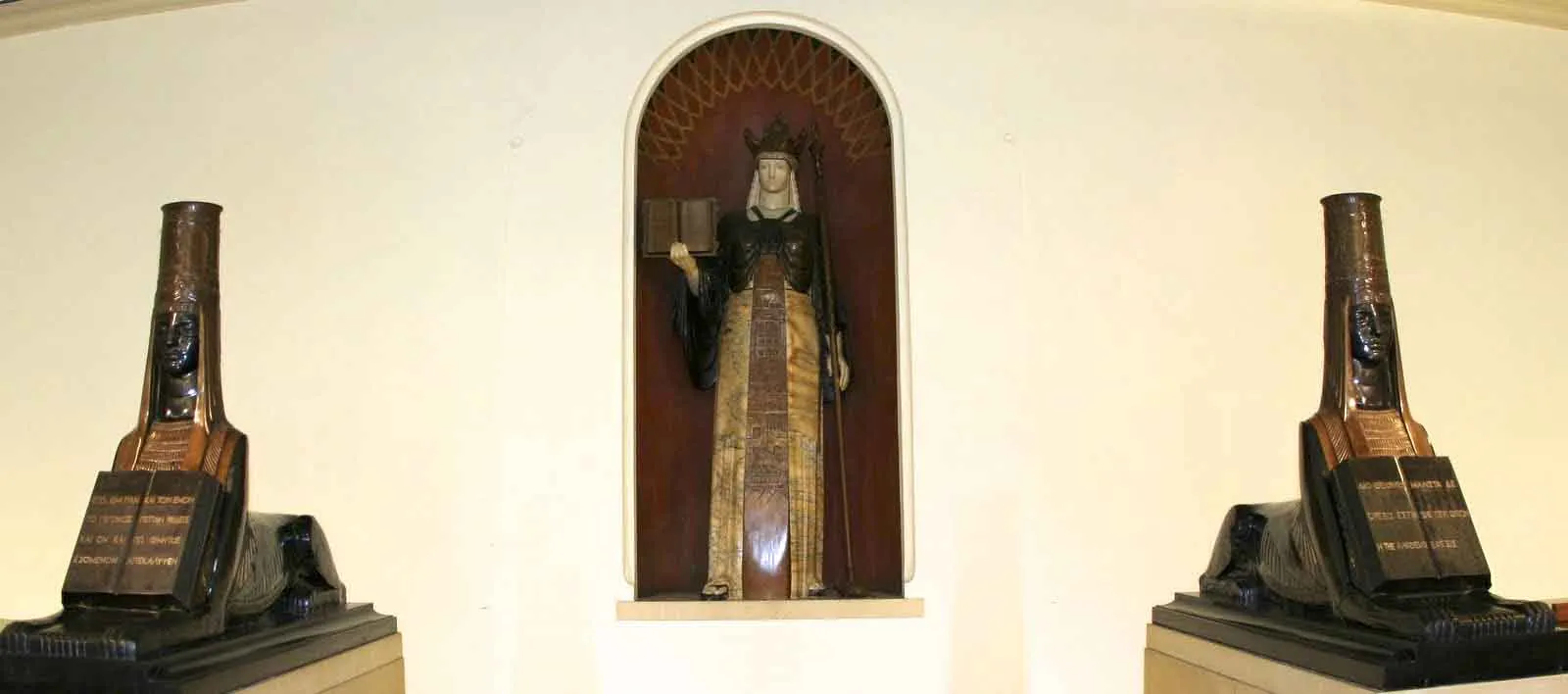
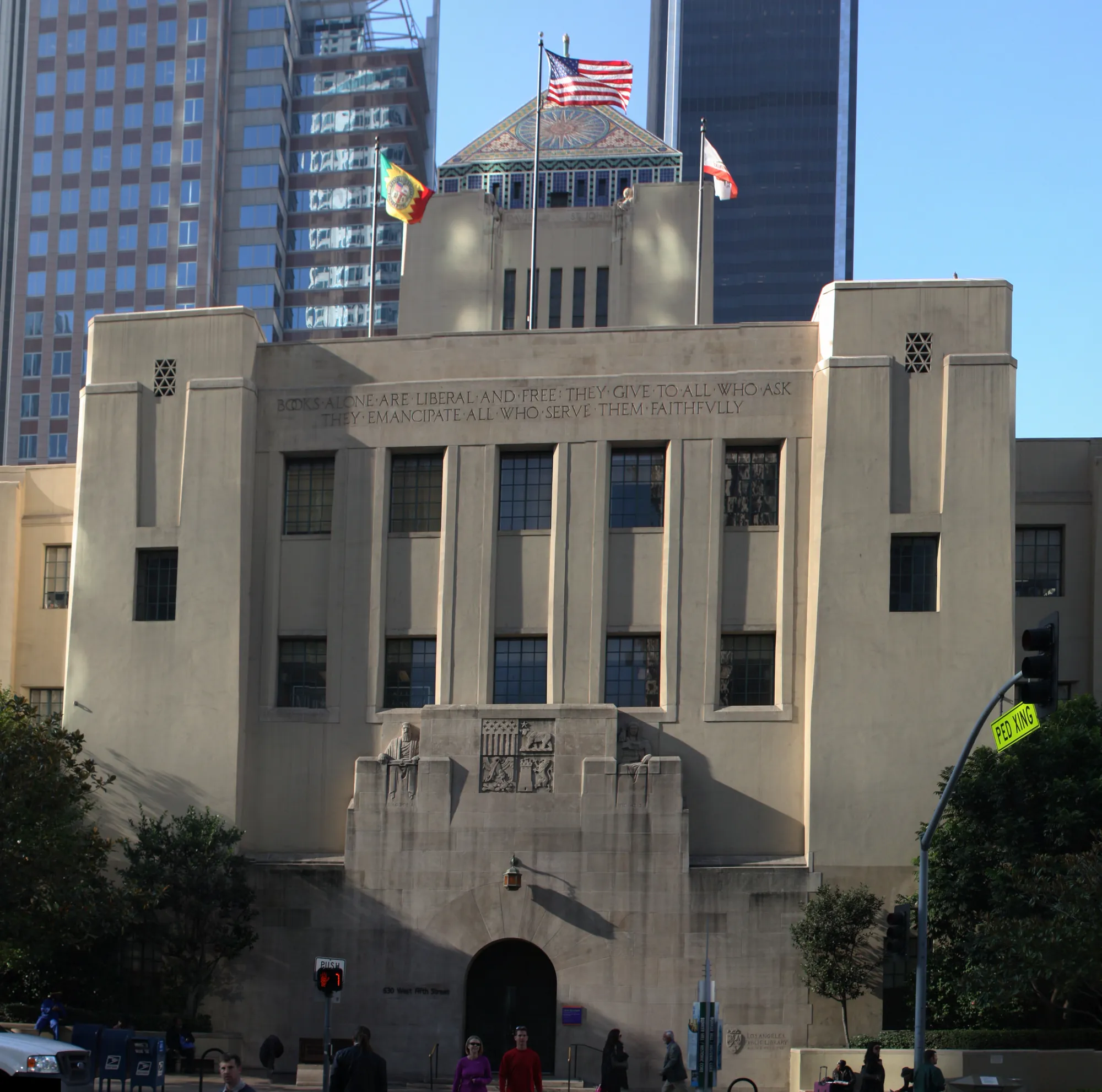
At the Los Angeles Central Public Library, Lawrie’s Civilization and the Sphinxes offer another kind of invitation. The work does not ask visitors to solve a private puzzle before it can be appreciated. Its placement, figures, and guarding Sphinxes create a threshold for a building dedicated to books, learning, and the long history of human knowledge. The archive’s documentation preserves the models, placement drawings, and close views that make this relationship easier to see.
4. Notice material, light, and height
Stone, bronze, glass, mosaic, and changing light all affect how an Art Deco statue works.
Read More
Material is part of the message. Bronze can make an outline crisp or reflective. Limestone can hold a shallow relief that shifts with the sun. Dark marble can make a guardian figure feel weighty and still. A highly placed statue needs to be visible in weather and changing light, while a work near a doorway can reward a visitor who stops for a closer look.
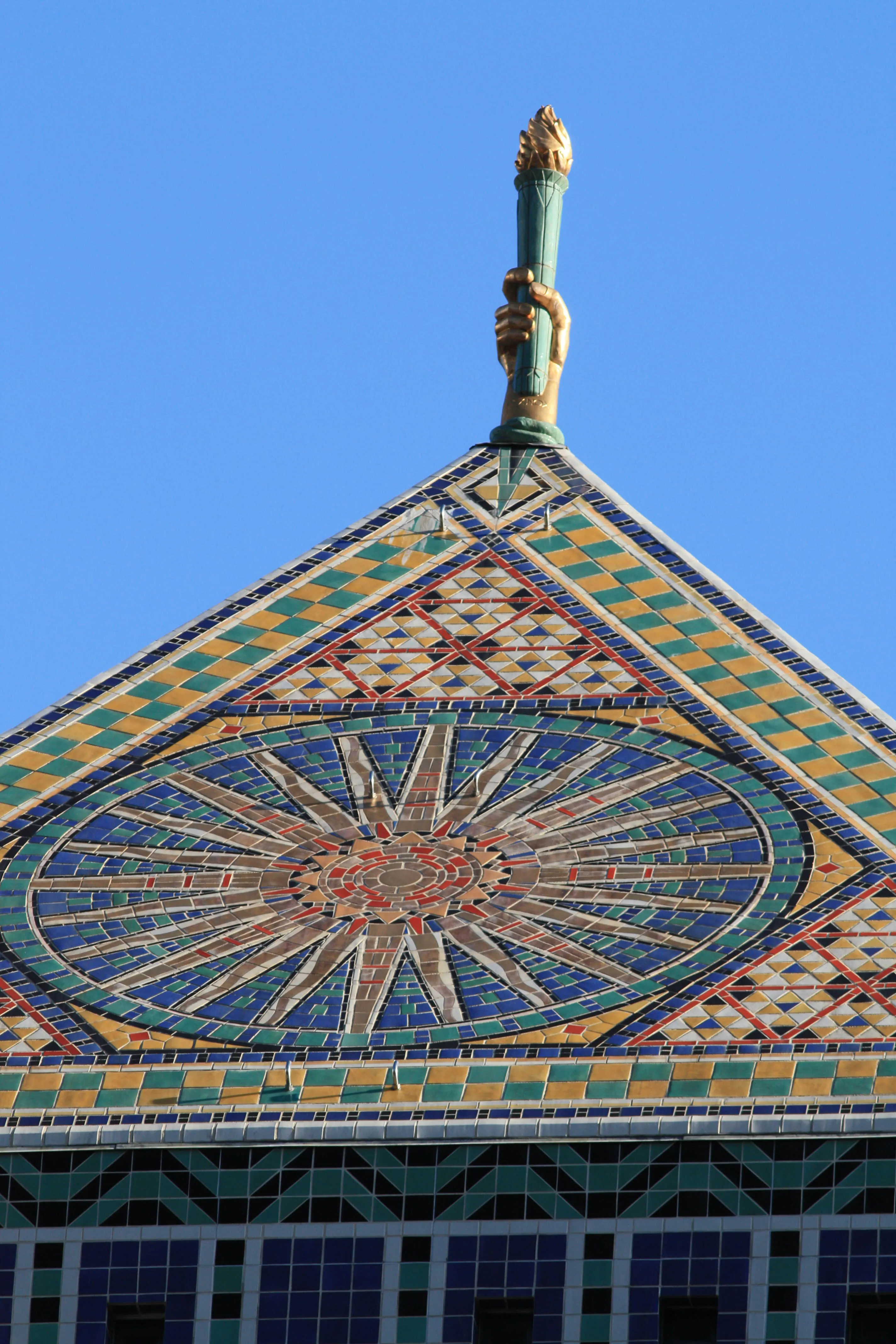
Look at the difference between a plaza sculpture and a roof figure. A roof sculpture often needs a simple, unmistakable profile. The Torch of Knowledge at the Los Angeles Central Public Library is a strong example. It crowns the tiled pyramid roof, so its hand and upright torch work as one graphic sign from a distance. The closer views in the archive show that the finial is part of a richer programme of mosaic, serpent imagery, and symbolism, but the far view still does its essential job.
This shift between far and near is one reason Art Deco sculpture remains satisfying in photographs yet belongs best in a real place. A photograph can preserve the silhouette. A visit reveals how material responds to a route, a wall, a doorway, and the weather of a particular day.
5. Compare a plaza figure with architectural sculpture
Not every Art Deco statue stands free in a plaza. Many of the most important examples are designed to be inseparable from a building.
Read More
A freestanding statue gives viewers room to approach from several sides. It may create a destination within a plaza or garden. Architectural sculpture has a different task. It works with the wall, frame, stair, doorway, tower, or interior surface that supports it. Its meaning is shaped by the movement of visitors through that architecture.
The distinction matters when looking at Art Deco. A striking figure alone is not automatically the whole story. At Rockefeller Center, Atlas is a destination, but Lawrie’s Wisdom above the entrance to 30 Rockefeller Plaza is an architectural image. It does not ask a visitor to circle it. It turns an entrance into a focused point of arrival through scale, inscription, color, and placement.
For a closer way to make this comparison, pair this guide with the archive’s definition of architectural sculpture. Notice what remains true in both cases: a strong form, a meaningful subject, and careful attention to where people will stand. Then notice what changes. The plaza figure organizes open space; the relief or doorway figure gives a building a face.
A five-step way to look at Art Deco statues
You do not need specialist vocabulary to look closely. A short sequence keeps attention on the evidence in front of you.
Read More
- Take in the outline. Stand back and identify the largest shape, pose, or gesture.
- Locate the work. Is it in a plaza, above a door, on a tower, or embedded in a wall?
- Notice the route. Ask where a visitor first sees it and how its meaning changes while approaching.
- Read the material. Watch for the role of bronze, stone, light, color, or shadow.
- Connect subject to purpose. Relate the figure, animal, or symbol to the building and institution around it.
This method is more useful than searching for one motif or trying to decide whether every statue belongs to a single style. Art Deco includes many kinds of work. What holds the strongest examples together is an ability to make a public image feel modern, legible, and inseparable from its setting.
Why Lee Lawrie’s work is a strong place to begin
Lawrie’s career offers a rare chance to compare statues at many scales without losing the architectural context that made them meaningful.
Read More
His work ranges from public figures and large reliefs to doors, towers, interiors, and close architectural details. Readers can compare a monumental work such as Atlas with the civic programme of the Nebraska State Capitol or the learning-centered imagery of the Los Angeles Central Public Library. The point is not to reduce that variety to a single look. It is to see how a sculptor adapts form to a real place and purpose.
The Lee Lawrie Archive makes that comparison unusually concrete. Begin with the works collection, then follow one building from its broad exterior to the objects and images at hand level. For an extended study of Lawrie’s most ambitious public commission, Prairie Deco traces the Nebraska State Capitol’s complete programme of architecture, sculpture, and meaning.
Art Deco statues become more interesting once they are treated as part of a sequence: first the silhouette, then the setting, then the subject, material, and details that make a public place speak. That way of looking turns a quick photograph into the beginning of a closer visit.
Frequently asked questions
What makes a statue Art Deco?
Art Deco statues often use a clear silhouette, simplified forms, deliberate geometry, and a close relationship to their architectural setting. In public buildings, the statue’s position, material, and subject usually help explain an entrance, institution, or civic idea.
Where can I see important Art Deco statues?
Rockefeller Center in New York, the Nebraska State Capitol in Lincoln, and the Los Angeles Central Public Library are strong places to start. Each uses sculpture at more than one scale, from distant public symbols to details encountered near an entrance.
Are Art Deco statues always freestanding?
No. A statue may stand in a plaza, sit above a doorway, rise from a roof, or be integrated into a facade. Reliefs and architectural figures are especially important because their meaning depends on the building and route around them.
Why are statues common in Art Deco public buildings?
Public sculpture gave modern buildings a human and symbolic presence. A figure could honor knowledge, work, law, civic memory, travel, or the natural world while also giving a large building an image that visitors could recognize and remember.
Related posts
 Art Deco
What Is Art Deco Sculpture? Definition, Features, and Examples
Art Deco sculpture uses simplified forms, strong geometry, and symbolic detail. See how figures, reliefs, doors, and ornament give a building its character.
 Art Deco
What Is Art Deco Architecture? 5 Features of Art Deco Buildings
Art Deco architecture combines stepped skylines, geometric ornament, rich materials, sculpture, and grand entrances. Learn five features to look for.
 Art Deco
Famous Art Deco Artists: 6 Ways to See the Style
Meet famous Art Deco artists, including Tamara de Lempicka, A. M. Cassandre, Erté, René Lalique, and Lee Lawrie.
 Art Deco
Famous Art Deco Sculptors: 3 Artists and Their Work
Meet François Pompon, Waylande Gregory, and Lee Lawrie, then see how Art Deco sculptors used form, material, and setting to shape public places.