Art Deco sculpture is often introduced through a polished bronze dancer, a sleek animal, or a famous figure on a skyline. Those are memorable entry points, but they can make the field seem narrower than it was. Art Deco sculptors worked at the scale of a mantelpiece, a fountain, a doorway, a library, and a state capitol. The shared challenge was to make form feel clear, purposeful, and alive in modern life. Once you know what to look for, a building’s figures and details stop being background decoration and begin to explain the place itself.
Start with more than a list of names
It is useful to know a few names, but a list alone does not explain what an Art Deco sculptor was trying to achieve. François Pompon’s simplified Polar Bear makes an animal’s mass and movement feel direct and modern. Waylande Gregory moved between small ceramic work and large public commissions, a range documented by the Metropolitan Museum of Art. Lee Lawrie made figures, doors, reliefs, and whole architectural programs for public buildings across the United States.
These artists did not make the same kind of work, and that difference matters. A small sculpture may ask you to notice its surface and silhouette at arm’s length. A work over a doorway has to be readable from the sidewalk. A figure on a civic building has to help give an institution a public face. Rather than asking only whether a sculpture has the right zigzags or shine, ask what job it performs in its setting.
Look for a strong silhouette first
Art Deco sculpture often begins with a form that can be grasped quickly. It may be a poised animal, a standing figure, a pair of wings, a shallow relief, or a sequence of repeated shapes. Details matter, but the first impression is usually disciplined. The contour is clear enough to hold from a distance, then becomes more interesting as you move closer.
That clarity is especially important outdoors. A sculpture on a facade competes with traffic, weather, windows, neighboring buildings, and the speed of a passerby. Its outline has to work before a viewer can read its symbolism. The archive’s guide to Art Deco sculpture shows how reliefs, figures, and details can carry that first impression while still rewarding closer attention.
Notice how the figure works with the building
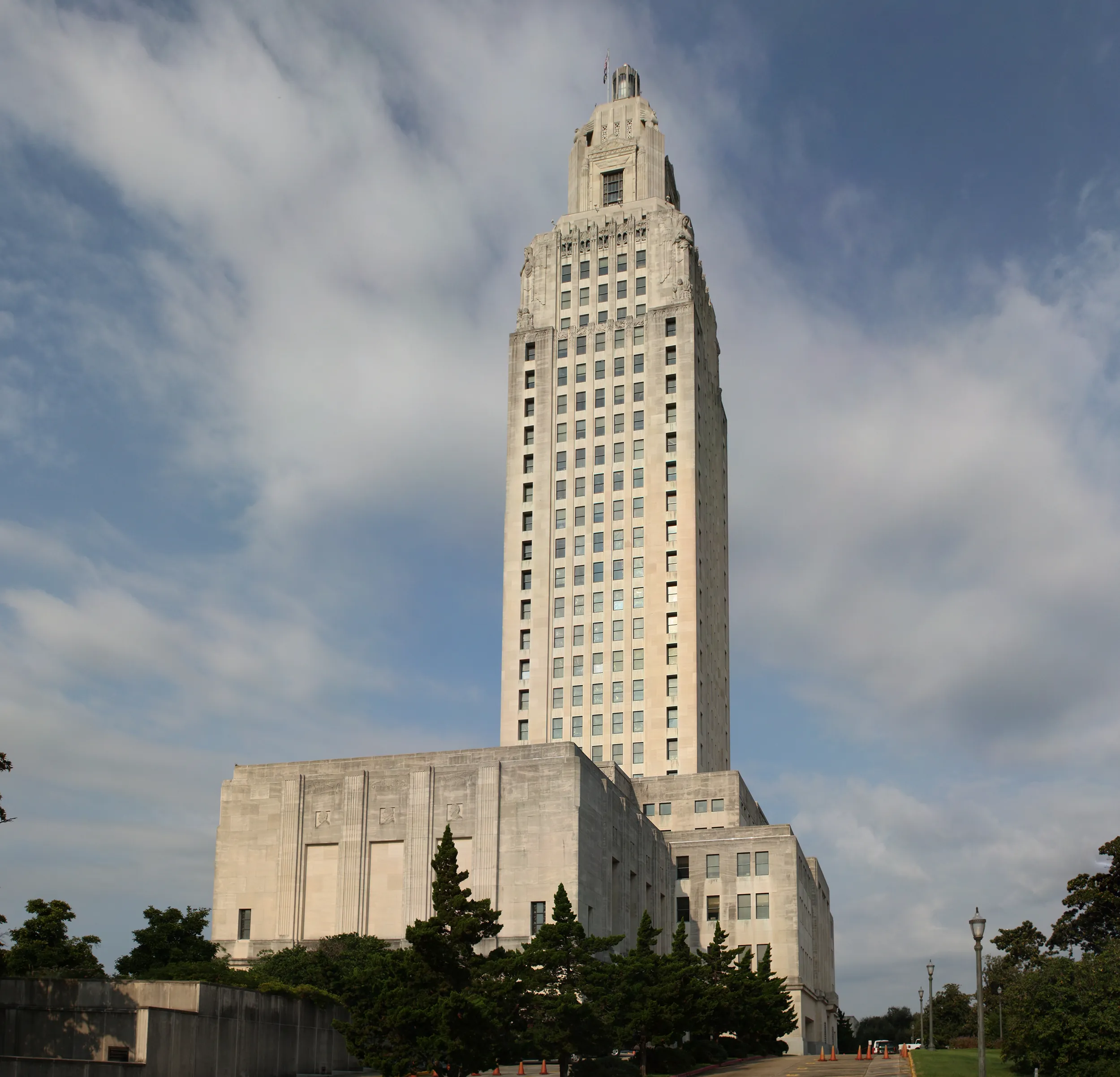
Architectural sculpture is not simply a statue attached to a wall. The Library of Congress finding aid for Lawrie’s papers describes his conviction, shared with architect Bertram Goodhue, that sculpture was integral to architecture rather than mere adornment. That idea is a practical tool for looking. When you see a figure above a door or pressed into a relief, consider the wall, threshold, material, and approach around it. The sculpture may be telling you what the building is for before you step inside.
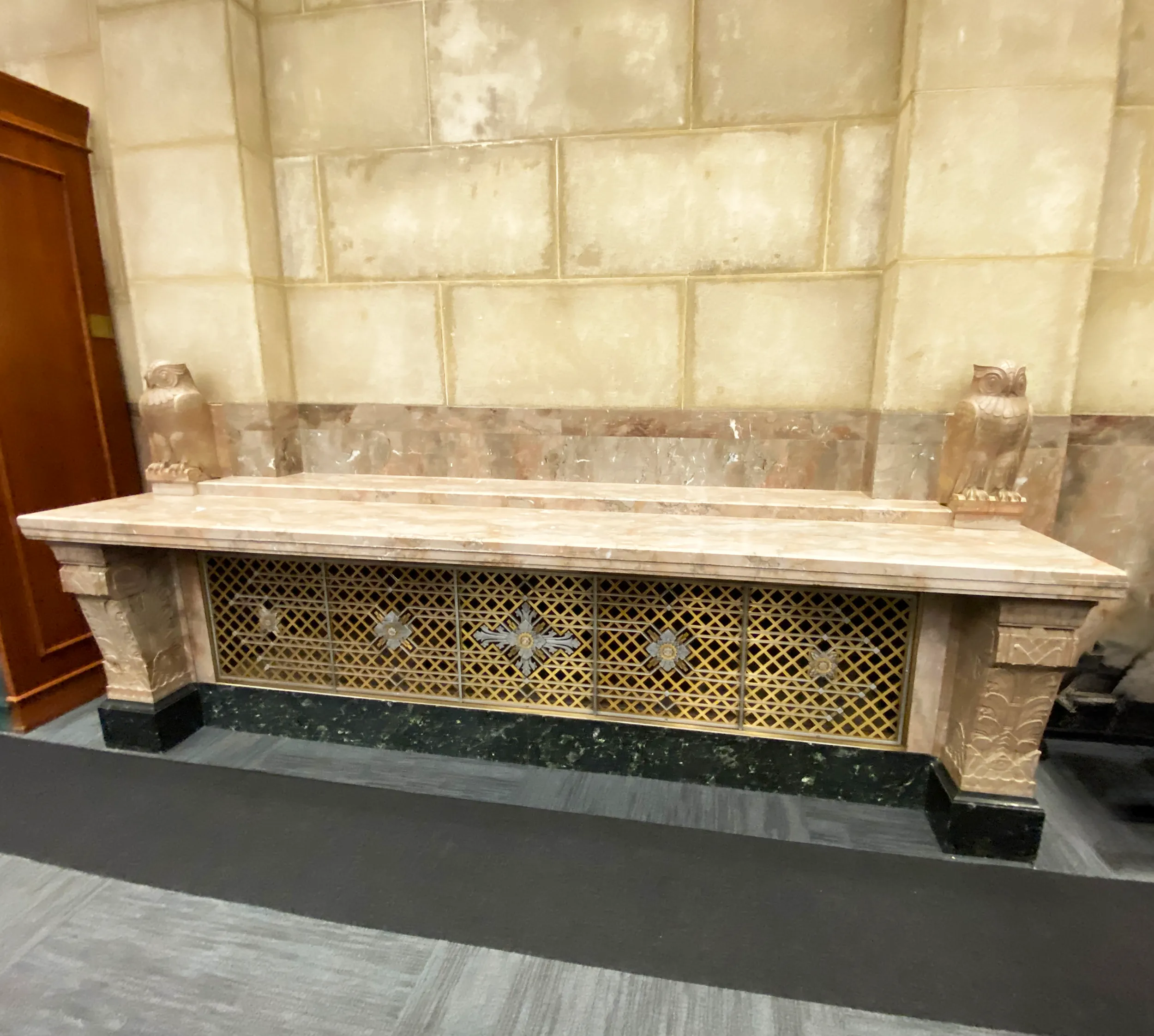
At the John Adams Building of the Library of Congress, Lawrie used doors, owls, plant forms, grilles, and figures to make learning and the history of writing visible across an entire building. The Library notes that his Art Deco designs range from sculptural reliefs on bronze doors to geometric owls in metal and stone. A visitor does not need to identify every symbol for the program to work. The repeated forms make a library feel like a place where knowledge is active and valued.
Read symbols as introductions, not riddles
Art Deco sculpture often uses owls, eagles, workers, historical figures, plants, tools, rays, and animals. It is tempting to treat each one as a quiz with a single correct answer. A more helpful approach is to begin with the broad idea the image introduces. An owl at a library can suggest wisdom. A figure holding a scroll can prepare a visitor for a place concerned with learning, law, or civic memory. The meaning becomes richer when you connect it to its location.
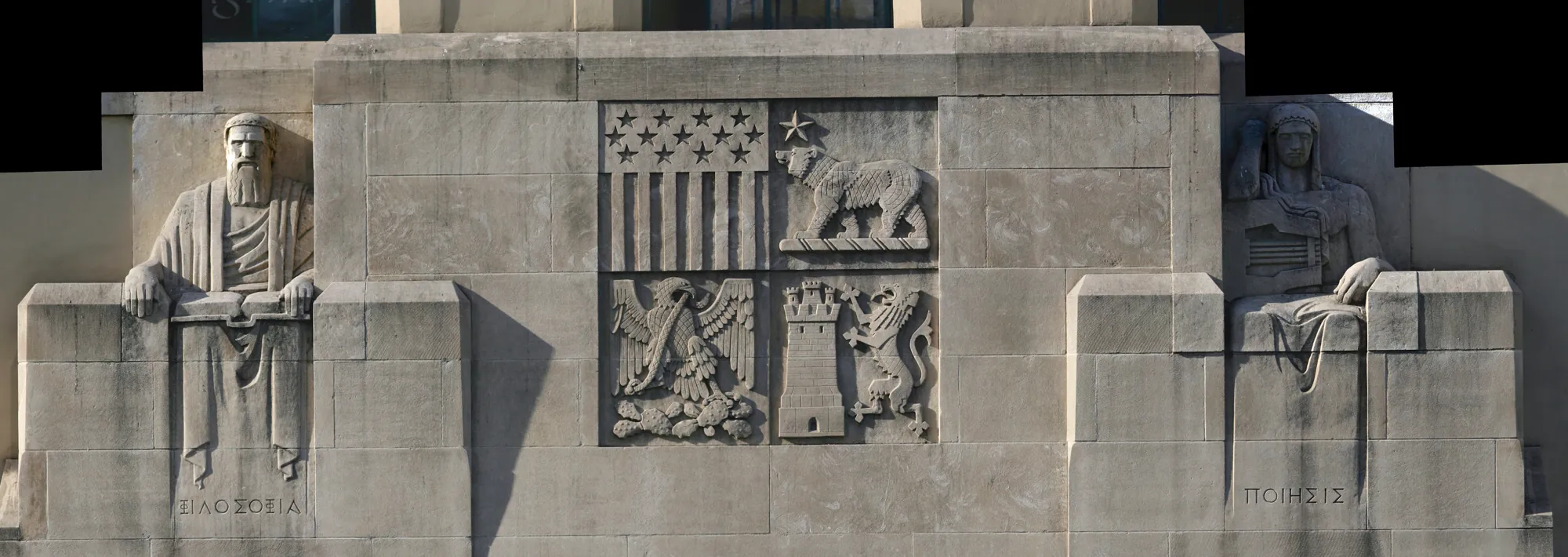
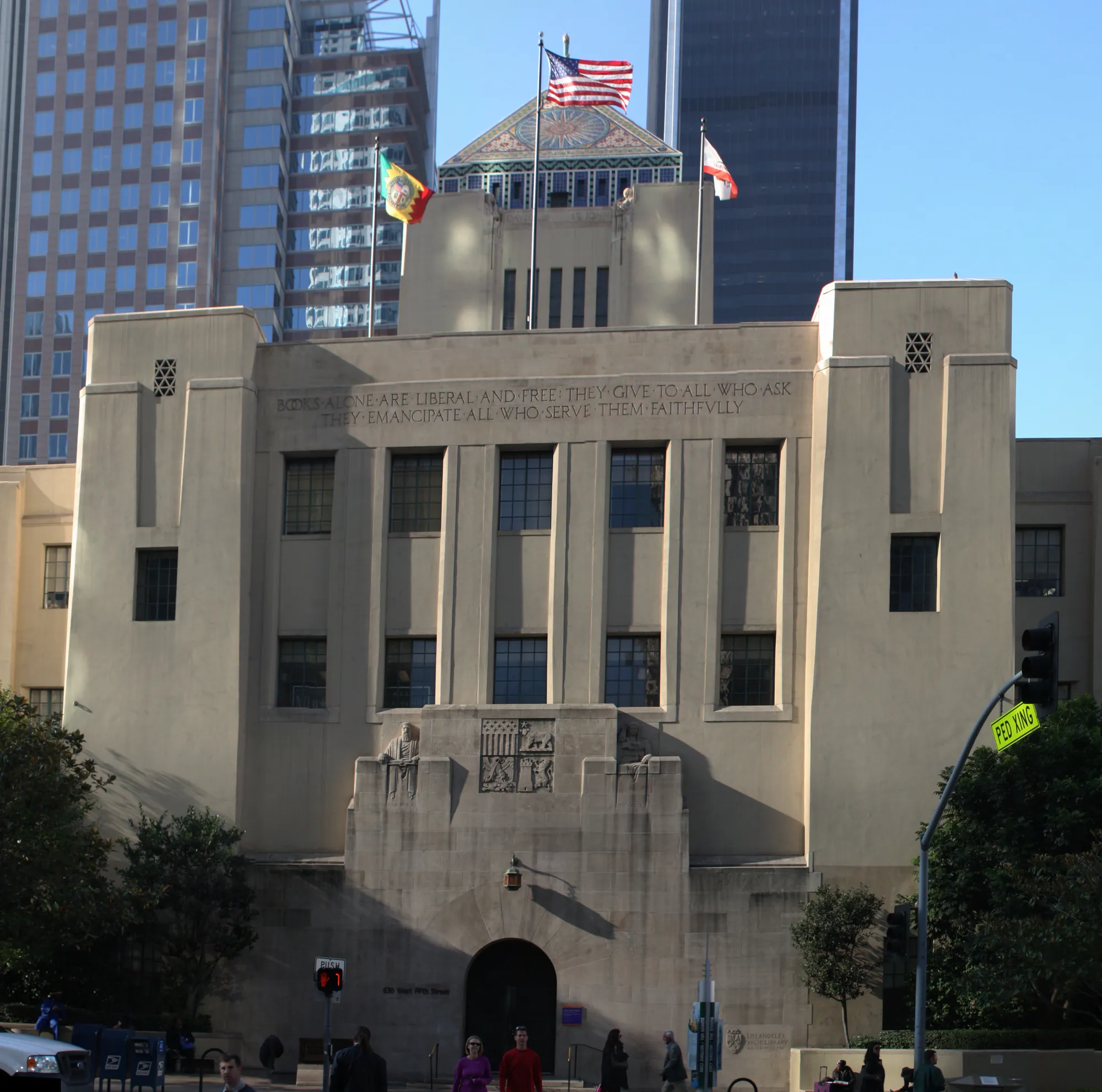
That is why Lawrie’s architectural work is such a useful way into the subject. The Los Angeles Central Public Library collection shows figures, inscriptions, and ornament working together at several scales. At the Library of Congress, the archive’s Legendary Scribes page follows figures that place writers and intellectual history at the threshold. These are not generic motifs dropped onto neutral walls. They help make an institution legible to its public.
Pay attention to material and distance
A work’s material changes how it behaves. Bronze catches light differently from limestone. A shallow relief can make a wall appear to move as sun and shadow cross it. A polished surface may sharpen an outline, while a rough stone surface can make a figure feel rooted to a facade. Art Deco artists often used material to control the shift between a distant view and a close one.
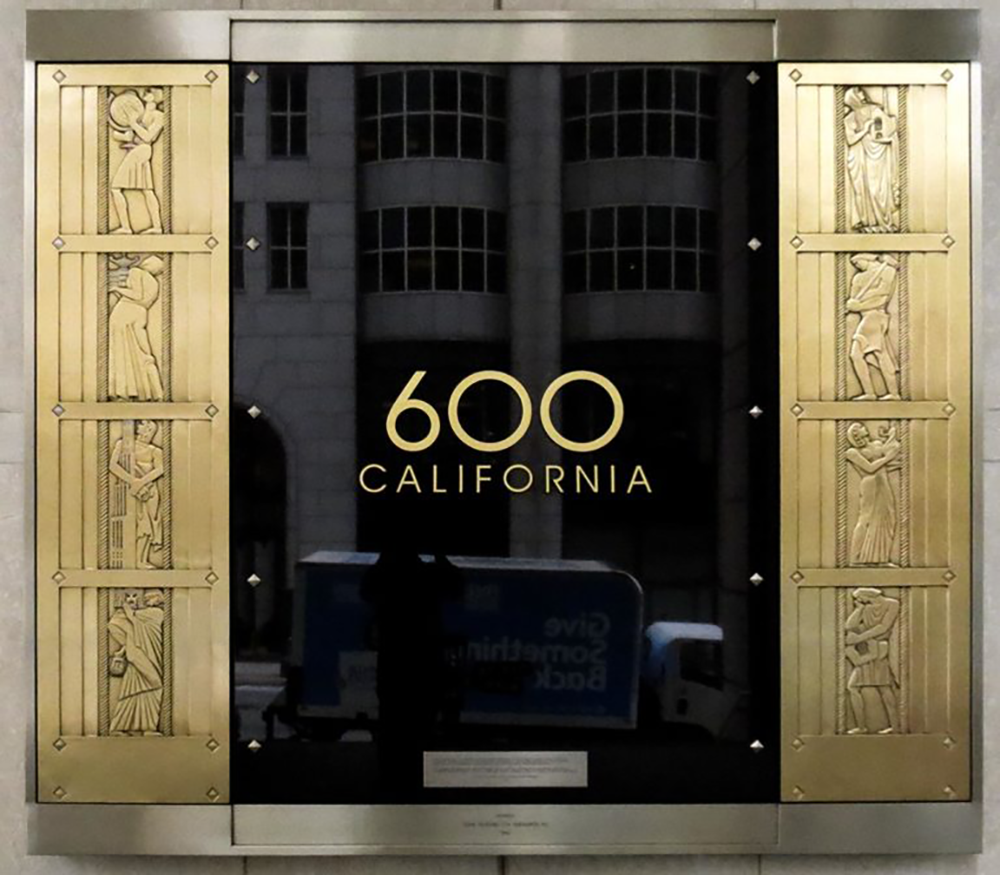
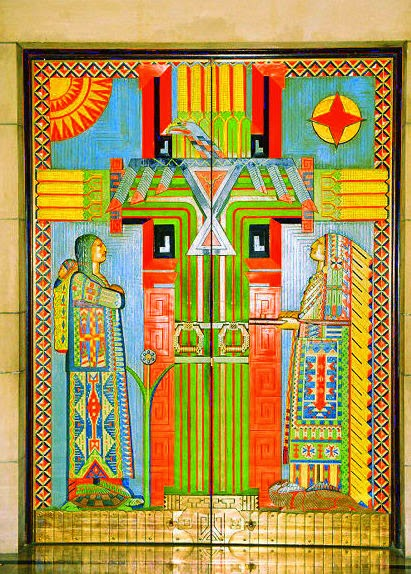
Try looking twice. First, stand far enough back to see the building’s overall form. Then move close enough to notice the joins, textures, lettering, and small changes of depth. The two views should belong together. The archive’s Art Deco elevator doors offer a compact example: bronze ornament has an immediate graphic order from a few steps away, while its craftsmanship and symbolic detail become clearer at close range.
Remember that public sculpture is collaborative
Art Deco’s clean unity can make a building feel as if one person imagined every part. In reality, public sculpture is usually collaborative. Architects, sculptors, designers, fabricators, stonecutters, metalworkers, and clients all affect the final result. Lawrie’s papers preserve correspondence with architects, bronze founders, and other artisans, showing the practical adjustments needed to bring a public project into focus.
This does not diminish an artist’s contribution. It explains why the strongest programs feel so resolved. At the Nebraska State Capitol, tower, doors, interior detail, figures, and inscriptions work across a vast building without feeling like unrelated attractions. The result is not a collection of objects placed after the architecture was finished. It is a coordinated experience of approach, entry, and discovery.
Look beyond glamour to purpose
Art Deco is often remembered through luxury objects, dance figures, gleaming metal, and scenes of speed. Those associations are real, but they are not the whole story. The same visual confidence could serve a school, courthouse, library, capitol, memorial, or transportation building. In those settings, sculpture had to do more than look fashionable. It had to help a visitor feel the character of an institution, locate an entrance, or understand a larger civic idea.
That is why public examples are worth studying alongside smaller works. A figure may be stylized, yet still carry an idea about labor, knowledge, law, history, or aspiration. A pattern may be geometric, yet also direct the eye toward a door or hold together a long wall. The decorative and the practical are not opposites. Art Deco sculptors often made them work together so well that the purpose is felt before it is put into words.
For a useful comparison, look at the archive’s Rockefeller Center collection and its guide to Rockefeller Center statues. Atlas, Wisdom, and the surrounding programs do not repeat one another, but each helps turn a large commercial complex into a place with visual identity. Their scale, position, and material are part of the message.
A five-step way to look at Art Deco sculpture
- Find the dominant shape. Start with the silhouette, figure, animal, or repeated pattern that gives the work its first impression.
- Locate the work. Notice whether it stands alone, marks a doorway, crowns a building, or guides movement through an interior.
- Read the material. Look for how bronze, stone, ceramic, glass, or metal changes the work’s outline, texture, and response to light.
- Connect symbol to purpose. Ask what the subject tells you about the institution, room, street, or public role around it.
- Change your distance. Compare the view from across the street with the view close enough to see detail and craft.
This method keeps the attention on the work itself. It also avoids flattening the field into a handful of famous names or decorative motifs. Art Deco sculpture can be intimate or monumental, but its best examples use shape, setting, and material to make an idea visible at the exact scale where a viewer will encounter it.
Why Lee Lawrie is a lasting guide to the style
Lee Lawrie belongs in a guide to Art Deco sculptors because his career reveals the full architectural side of the movement. The Library of Congress records work for the Nebraska State Capitol, Los Angeles Public Library, Rockefeller Center, and the John Adams Building, among many other projects. He did not treat sculpture as a separate object that happened to be near a building. He used it to give entrances, rooms, and facades a human and symbolic presence.
The Lee Lawrie Archive is the place to continue that closer look. Start with the Lee Lawrie profile, then follow a single place through the works collection. Readers drawn to the Nebraska State Capitol can go deeper with Prairie Deco, a richly illustrated study of Lawrie’s most extensive program. The lasting pleasure is not simply recognizing Art Deco. It is learning to see what sculpture makes possible in the places we use every day.
Frequently asked questions
Who were important Art Deco sculptors?
Art Deco sculpture includes artists working at very different scales. François Pompon is known for streamlined animal sculpture, Waylande Gregory made both Art Deco table sculpture and monumental commissions, and Lee Lawrie shaped major American public buildings through architectural sculpture.
What makes a sculpture Art Deco?
Art Deco sculpture often uses simplified forms, controlled symmetry, crisp contours, stylized figures or animals, and a close relationship to modern materials or architecture. The strongest examples make those choices serve a clear visual purpose rather than treating ornament as an afterthought.
Is architectural sculpture different from a freestanding statue?
Yes. A freestanding statue can be approached as an independent object, while architectural sculpture must also work with a building’s scale, use, entrance, materials, and the changing viewpoint of people moving through a street or interior.
Where can I see Lee Lawrie’s Art Deco sculpture?
Important examples include Rockefeller Center in New York, the Nebraska State Capitol in Lincoln, the John Adams Building of the Library of Congress in Washington, and the Los Angeles Central Public Library. The Lee Lawrie Archive documents these projects and many more.
Related posts
 Art Deco
What Is an Art Deco Sculpture? How to Read It on a Building
Learn what makes a sculpture Art Deco, then use five clear ways to read figures, reliefs, doors, and details on a building.
 Art Deco
Art Deco Buildings: How to See What Makes Them Work
A practical guide to reading Art Deco buildings through their silhouettes, entrances, materials, and sculpture.
 Art Deco
Art Deco Artists: 6 Ways to See the Style
Meet the artists who shaped Art Deco, then learn how painting, posters, design, and architectural sculpture made the style visible.

Nebraska Library Tour: Prairie Deco on the Road
In two days and nearly 800 miles, Gregory Paul Harm brought Lee Lawrie’s Prairie Deco to 15 Nebraska public libraries and 11 bookstores and galleries.