Art Deco ornament is not an extra layer pasted onto a building after the important work is done. It is often the part that explains where to look, how to enter, and what the building wants to say.
What does Art Deco ornament do?
Look for ornament where architecture changes scale, especially at a corner, an entrance, a door, or a lobby.
Read More
In many Art Deco buildings, ornament turns a large mass into an experience a person can read while walking. A stepped tower may establish the building’s presence from blocks away. At street level, a relief, grille, line of lettering, or patterned door slows the visitor down and gives the approach a sense of purpose. The same visual language can move from the skyline to the smallest handle or threshold without losing coherence.
The useful distinction is between decoration as a loose accessory and ornament as part of a building’s structure and meaning. A pattern can frame an opening, make a vertical surface feel taller, mark a change from street to interior, or turn a public idea into an image. The National Park Service identifies chevrons, zigzags, vertical emphasis, and elaborate ornament among the recognizable features of Art Deco buildings. Those clues matter most when they are read in relation to the building rather than counted one by one.
That approach makes ornament easier to enjoy. Instead of asking whether a building has a sunburst, ask what the sunburst is doing there. Does it point toward an entrance? Does it energize a blank surface? Does it introduce a story about knowledge, work, law, travel, or public life? Architectural ornament becomes memorable when it has a job.
1. Start with geometry, then follow its direction
Art Deco geometry is rarely still, even when it is made of stone or metal.
Read More
Chevrons, zigzags, rays, stepped bands, fluting, and repeated vertical lines create direction. Some pull the eye upward toward a tower or parapet. Others spread outward from a door or window. A row of narrow panels can make a heavy wall feel lighter, while a low-relief pattern can catch changing light without breaking the surface into separate pieces.
This is why Art Deco ornament is easy to misread from a single photograph. A close crop may show a striking motif, but it can hide the larger route the motif establishes. Stand far enough back to see the whole facade, then move in. Notice whether the pattern leads you to a door, a corner, a sign, or a sculpted figure. The movement of your eye is part of the design.
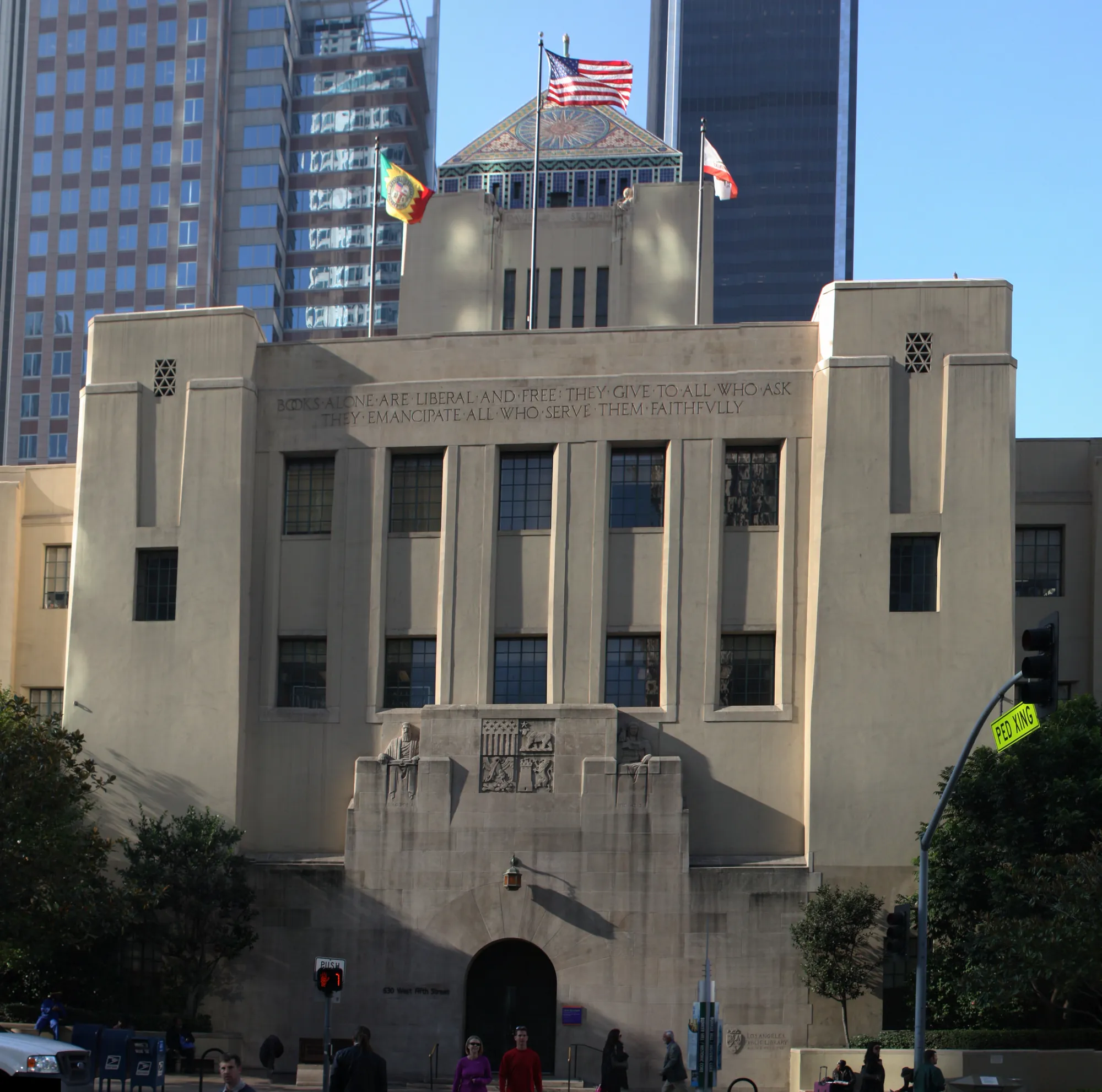
The Library of Congress describes the John Adams Building as a blend of Art Deco and traditional Beaux-Arts design. That combination is a useful reminder that ornament does not need to reject every older convention. It can use symmetry, classical proportion, or ceremonial planning while giving those ideas a sharper, more modern visual rhythm.
2. Notice where material becomes part of the pattern
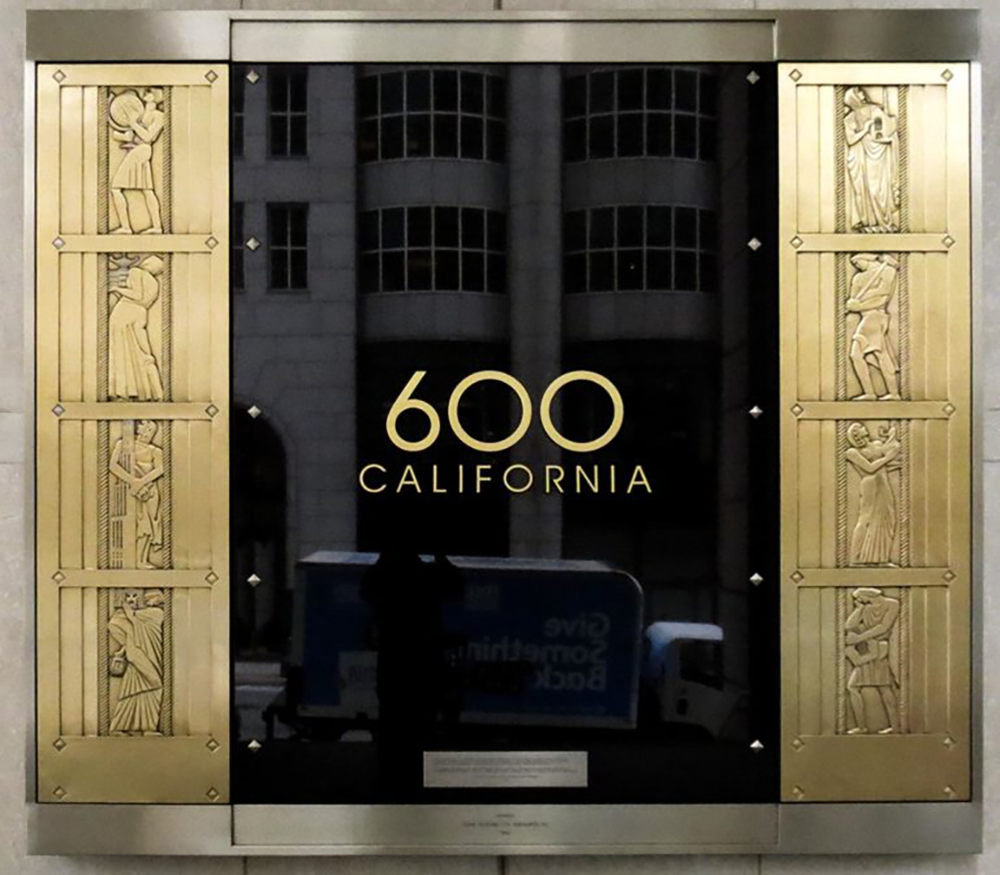
Bronze, stone, glass, tile, paint, and shadow can all carry an Art Deco design.
Read More
Material is not simply the surface that receives the ornament. The glint of bronze, the deep shadow of carved stone, the reflectiveness of polished metal, and the color held in mosaic or paint each change how a pattern reads. In a dark lobby, a metal grille may be the first thing the eye catches. In bright sun, a shallow relief can become legible because its edges pick up light. Good ornament uses those conditions instead of fighting them.
The scale of the material also matters. A broad stone facade can carry a pattern large enough to read from across a street. A door, elevator panel, or handrail needs details that remain meaningful at arm’s length. That is why an Art Deco programme often uses related forms in different sizes. The building feels unified, but a visitor is still given something to discover during every stage of the approach.
Pay attention to joins and edges as well. A change from pale stone to dark bronze can mark the exact moment when a visitor reaches an entrance. A band of tile can make a long corridor feel paced rather than empty. Fluting can turn a plain vertical surface into a field of light and shadow. These choices are easy to miss because they appear so natural once the building is complete, but they are often what make an interior feel composed instead of merely finished.
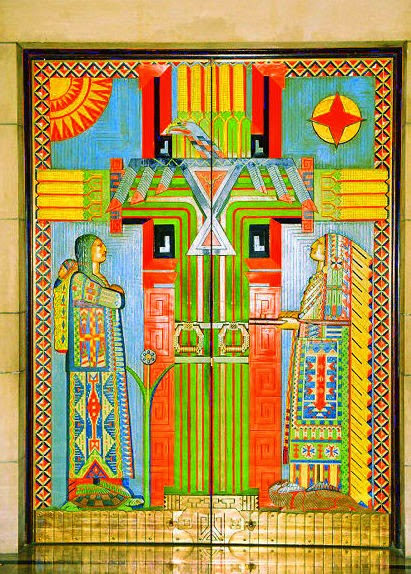
Lee Lawrie’s Art Deco elevator doors are a useful place to practice this close reading. The bronze is not neutral background. Its weight, color, and changing reflections make the design feel alive as a visitor approaches, waits, and passes through.
3. Read figures and symbols as part of the building’s purpose
Art Deco ornament often carries a subject as well as a pattern.
Read More
Stylized figures, animals, plants, tools, books, stars, and rays can give a building a public voice. They do not need to tell a literal story to be meaningful. An owl can suggest learning. A figure at a civic entrance can lend ceremony to the act of entering. A pattern of light or growth can make an interior feel connected to an idea larger than its floor plan.
At the John Adams Building, owl motifs and richly detailed architectural elements connect an Art Deco vocabulary to the work of a national library. The Library of Congress notes that the building mixes Art Deco and Beaux-Arts influences, which helps explain why the details can feel both formal and modern. The symbols belong to the building’s purpose, not to a detached display case.
At the Nebraska State Capitol, Lawrie’s interior work makes a different kind of public programme visible. Explore the Nebraska State Capitol collection alongside the building’s large exterior forms. The comparison shows how an architectural idea can continue from a distant tower to interior ornament, doors, and smaller features without becoming repetitive.
4. Let the entrance explain the building
The doorway is one of the best places to understand how Art Deco ornament works.
Read More
An entrance is a pause between public street and interior space. Art Deco designers often gave that pause special attention through lettering, reliefs, metalwork, carved surrounds, or a change in material. The goal was not simply to make a door expensive-looking. It was to make arrival feel intentional.
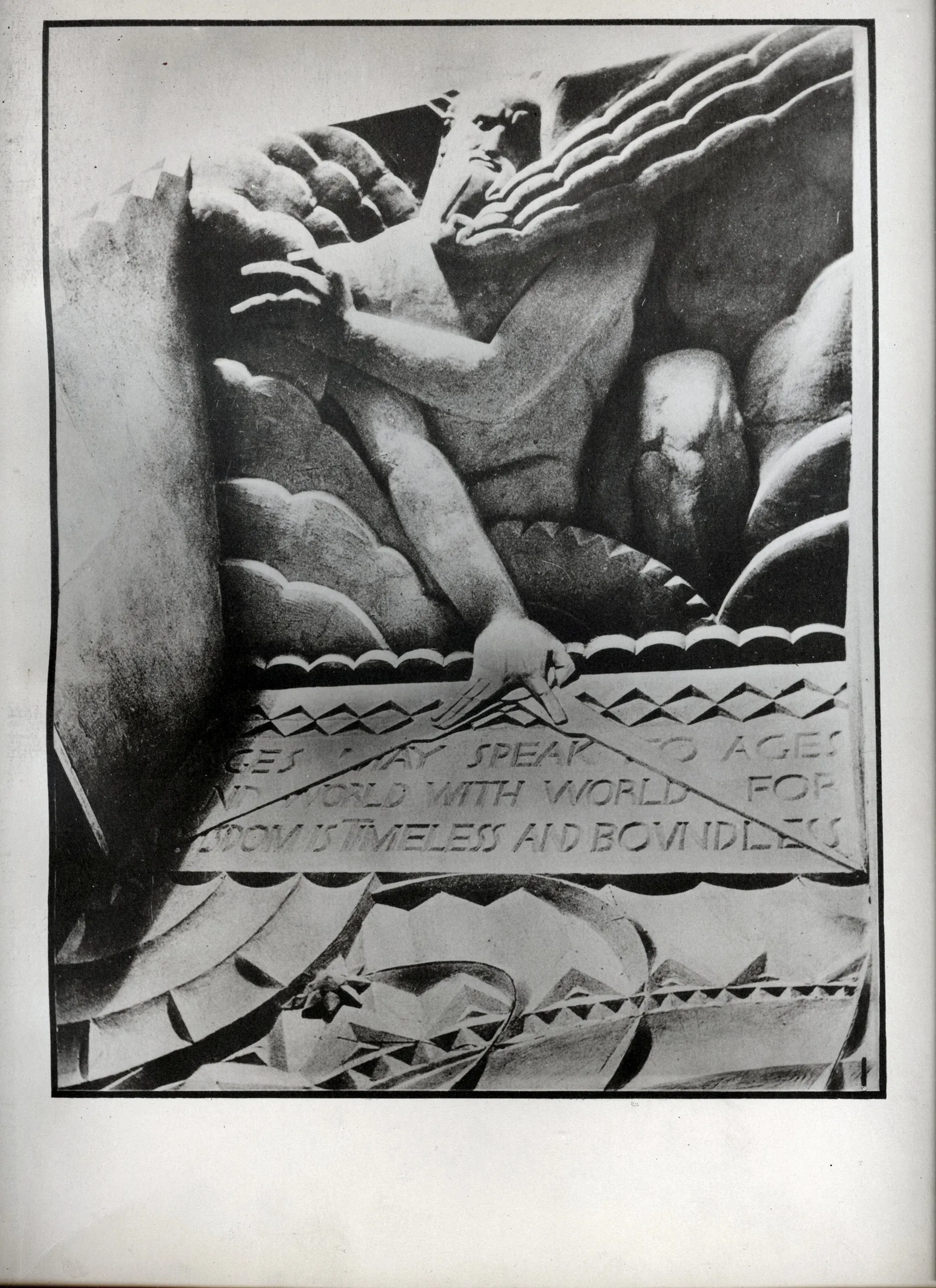
Rockefeller Center offers a clear example. Lee Lawrie’s Wisdom above the entrance to 30 Rockefeller Plaza does more than fill a high wall. Its size, placement, inscription, and relationship to the surrounding architecture make the doorway feel like a threshold to a larger public institution. The Rockefeller Center art directory identifies the relief as a focal point of the entrance, and that is exactly how it works for a visitor on the ground.
When looking at an entrance, try a simple sequence: stand back, find the strongest visual cue, move toward the threshold, then turn around once you have passed through. That last step matters. The ornament may be designed to work in both directions, greeting a visitor from outside and leaving a final impression when they depart.
A four-step way to look at Art Deco ornament
A good first look takes less time than memorizing a list of decorative terms.
Read More
- Find the change in scale. Start at the full building, then identify the doorway, corner, or lobby detail that asks for a closer look.
- Trace the direction. Follow the lines, rays, steps, or repeated forms. See whether they carry your eye upward, inward, or across the facade.
- Notice the material. Ask what stone, bronze, glass, or color adds that a flat drawing could not.
- Connect image to purpose. Consider how the symbols relate to the building’s users, institution, or public role.
This method is more useful than treating every zigzag as proof of a style. The National Park Service notes that Art Deco can include low-relief, geometric, floral, chevron, and vertical forms. Those categories give a reader vocabulary, but they become meaningful only when the forms shape a particular place.
For an even closer comparison, pair this article with the archive’s guide to Art Deco sculpture and definition of architectural sculpture. Sculpture and ornament often overlap, but a close look at scale and setting will show why one figure belongs above an entrance while another detail belongs on a door, grille, or handrail.
Why Lee Lawrie’s work is a strong place to begin
Lawrie’s work makes it possible to see Art Deco ornament across a complete range of architectural situations.
Read More
His work moves from broad civic settings to thresholds and details without losing its sense of purpose. The Nebraska State Capitol shows how sculpture and ornament can support a large public programme. Rockefeller Center shows how an entrance can become a memorable civic image. The John Adams Building and the Pennsylvania Education Building show how doors, owls, metalwork, and interior features can carry the same care at a smaller scale.
That range is the archive’s particular advantage. Readers can begin with one pattern or one detail, then follow it into photographs and work records that preserve the architectural setting. The Details, Details collection is especially useful when you want to compare doors, lamps, grilles, chandeliers, and other objects that make the everyday experience of a building richer.
It also makes the comparison honest. Not every Art Deco building uses the same material or tells the same story, and not every detail needs to be spectacular on its own. The most satisfying examples are coordinated. Their large forms, surfaces, images, and thresholds reinforce one another, so a visitor discovers more with each change of distance.
Art Deco ornament rewards patience because it rarely gives its whole meaning from one distance. Look from far away, approach slowly, and let the building show you how its largest form and smallest detail belong together.
Frequently asked questions
What is Art Deco ornament?
Art Deco ornament is decorative work that uses deliberate geometry, low relief, material, color, figures, and symbols to strengthen a building’s visual character. It often appears at the places where a visitor slows down: entrances, doors, elevators, lobbies, railings, and the upper edges of a facade.
What patterns are common in Art Deco ornament?
Chevrons, zigzags, sunbursts, stepped forms, fluting, stylized plants, repeated lines, and simplified figures are common. The useful question is not whether one pattern is present, but how the pattern directs the eye and relates to the building around it.
How is Art Deco ornament different from a building decoration?
Art Deco ornament is usually planned as part of the building rather than added as an isolated object. A relief can emphasize a doorway, a metal grille can control the rhythm of a lobby, and a sculpted figure can make the building’s purpose visible at the point of arrival.
Where can I see Lee Lawrie’s Art Deco ornament?
The Nebraska State Capitol, Rockefeller Center, the John Adams Building of the Library of Congress, and the Pennsylvania Education Building all show Lawrie working across large public facades, entrances, doors, interior details, and small architectural features.
Related posts
 Art Deco
What Is Art Deco Sculpture? Definition, Features, and Examples
Art Deco sculpture uses simplified forms, strong geometry, and symbolic detail. See how figures, reliefs, doors, and ornament give a building its character.
 Art Deco
What Is Art Deco Architecture? 5 Features of Art Deco Buildings
Art Deco architecture combines stepped skylines, geometric ornament, rich materials, sculpture, and grand entrances. Learn five features to look for.
 Art Deco
Famous Art Deco Artists: 6 Ways to See the Style
Meet famous Art Deco artists, including Tamara de Lempicka, A. M. Cassandre, Erté, René Lalique, and Lee Lawrie.
Art DecoFamous Art Deco Sculptors: 3 Artists and Their Work
Meet François Pompon, Waylande Gregory, and Lee Lawrie, then see how Art Deco sculptors used form, material, and setting to shape public places.