Photography that stays close to the work
Move between the Capitol’s monumental presence and the details that give its spaces their depth.
Art Deco, architecture, and American art
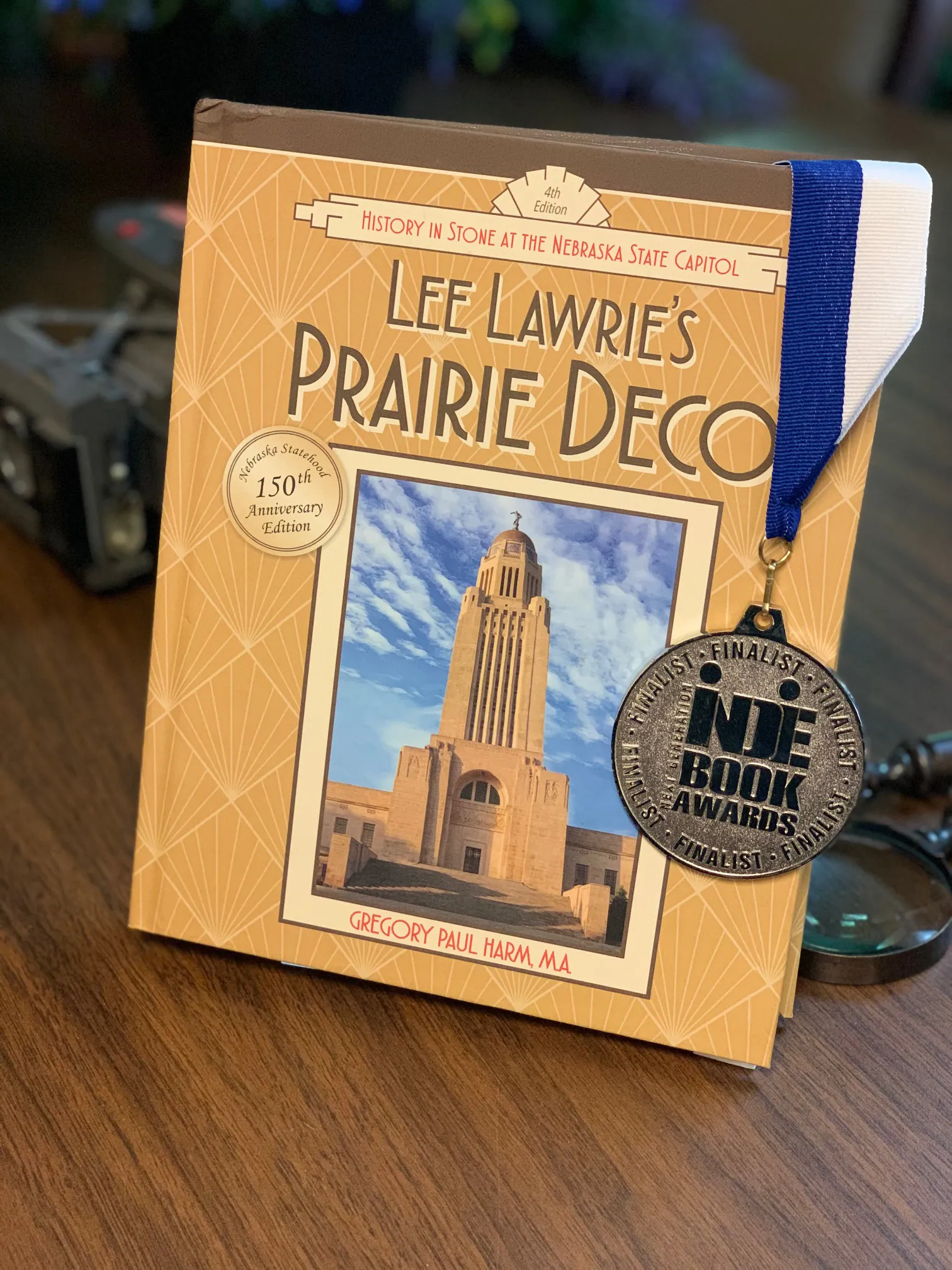
A richly illustrated Art Deco coffee table book that brings Lee Lawrie’s sculpture and the Nebraska State Capitol into lasting view.
A landmark made to linger over
The best Art Deco coffee table books give a reader more than a handsome cover. They create the pleasure of entering a remarkable place, noticing a detail from across the room, then returning to it later with a better understanding of what makes it matter. Prairie Deco does exactly that with the Nebraska State Capitol, one of America’s most ambitious public works of the twentieth century.
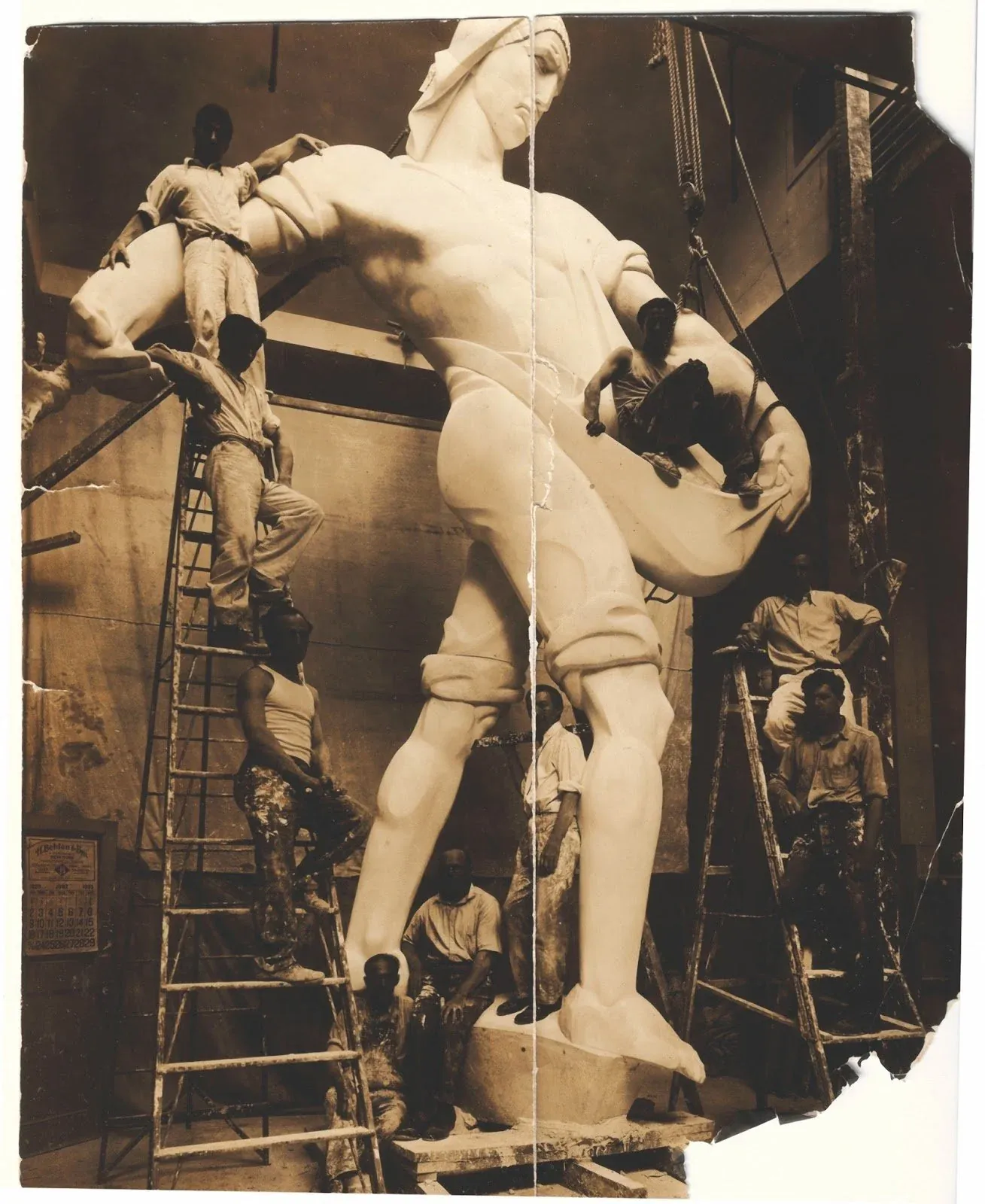
At its center is Lee Lawrie, the sculptor whose work gives the Capitol much of its visual power. His figures rise above the skyline, frame public entrances, gather along walls and terraces, and appear in the quieter details that make a building feel complete. Prairie Deco follows that work across the landmark, helping the reader see how sculpture, architecture, color, landscape, and civic purpose were designed to belong together.
Gregory Paul Harm brings a photographer’s eye and years of research to the subject. The book moves easily between broad views and close encounters: the tower and its Sower, carved reliefs, ceremonial doors, animals, models, interiors, and traces of the artists and thinkers who shaped the Capitol. It is made to be opened anywhere, while still offering a story that gains depth from beginning to end.
For someone building an Art Deco library, choosing a gift for a design-minded reader, or looking for a visual book with a real subject at its heart, Prairie Deco offers a landmark with far more to reveal than the familiar skyline image of the era.
One building, a complete visual world
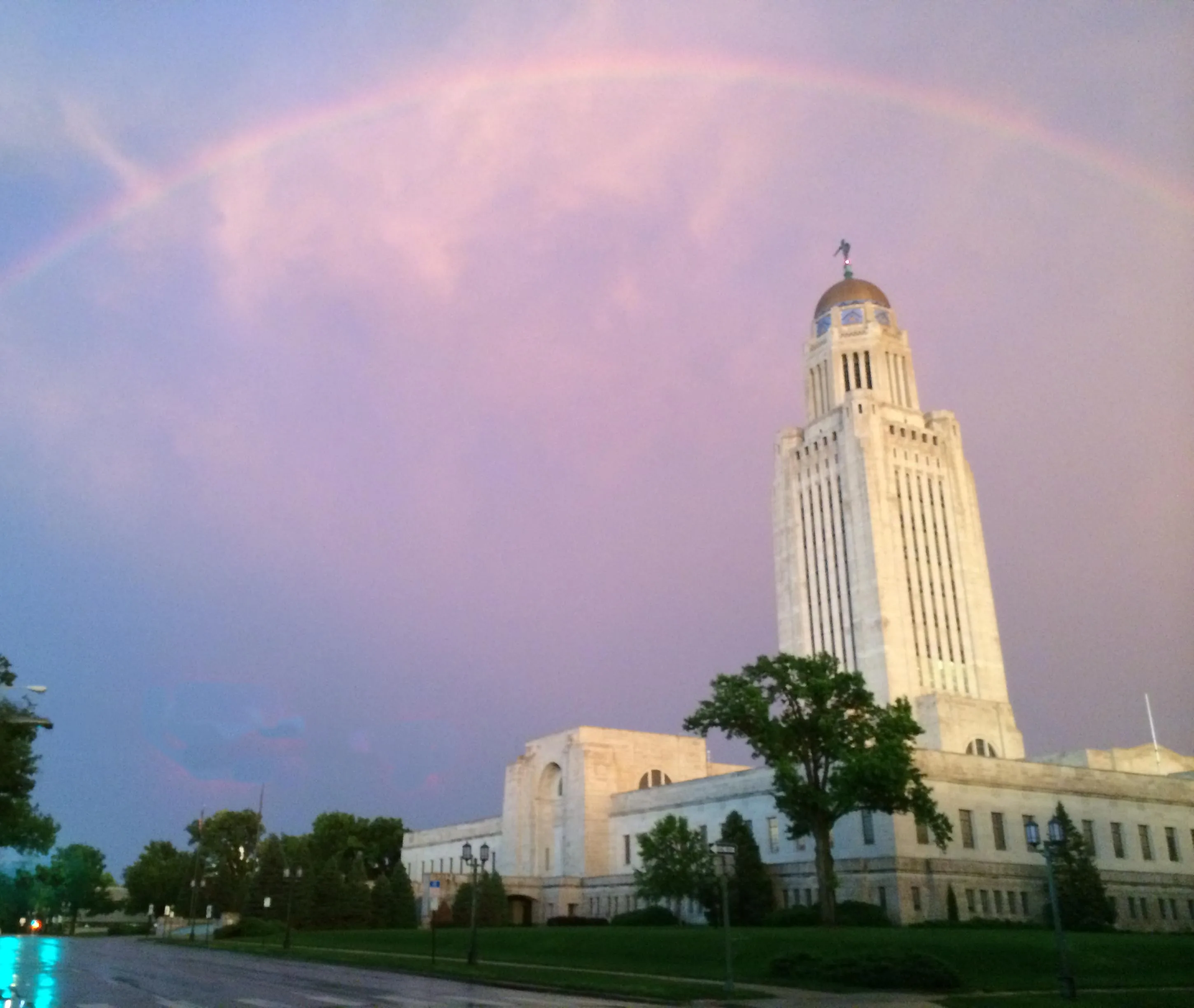
Art Deco is often remembered through its most famous city scenes. Prairie Deco makes room for a different kind of masterpiece: a Great Plains statehouse whose modern forms are rooted in local history, agriculture, landscape, work, knowledge, and law. The Nebraska State Capitol is grand, but it never feels anonymous. Its art gives the building a particular voice.
Lawrie’s sculpture is essential to that voice. A distant figure changes the skyline. A relief beside a doorway changes the experience of arrival. A small animal, a hand, or a pattern in stone can reward the reader who slows down. The book preserves those shifts in scale, so the Capitol can be appreciated as both a sweeping composition and a collection of individual discoveries.
That makes Prairie Deco especially satisfying on a coffee table. Visitors can begin with its photographs, pause at an image that catches the eye, and find an explanation that leads somewhere. The book keeps the visual experience generous without treating the pictures as decoration. Each one helps the reader understand the artist, the building, and the ideas held in its stone and bronze.
Explore the Capitol in the archivePhotography with a point of view
Coffee table books earn their place when they invite a return. Prairie Deco has the scale and image-rich appeal a visual book should have, but its lasting value comes from the connections it makes. A photograph of a monumental figure becomes more compelling when the reader understands where it stands and what it was made to express. A close view of a door or relief becomes part of the larger rhythm of a building.
That balance is especially important for architectural sculpture. Lawrie did not make objects meant to be viewed under one kind of light or from one fixed distance. His work meets people from streets, terraces, stairways, doorways, and interior rooms. Harm’s photographs hold on to those changes in viewpoint, giving readers both the spectacle of the Capitol and the smaller moments that a quick visit can miss.
The result is a book that works at several speeds. Open it for five quiet minutes. Use it to prepare for a trip to Lincoln. Spend an afternoon following the relationship between a sculptor and an architect. Or keep it nearby for the pleasure of finding something new in a familiar page. It is a serious study, but it never loses the pleasure that brings someone back to a beautiful book.
Readers interested in the wider story of Art Deco can also explore Prairie Deco among Art Deco books and the book’s architectural point of view.
What makes it memorable
Move between the Capitol’s monumental presence and the details that give its spaces their depth.
Meet Lee Lawrie beyond Atlas at Rockefeller Center, through his largest and most complete commission.
See how a modern style absorbed the landscapes, stories, and civic ideals of Nebraska.
Find an image to enjoy at once, then follow its connections as far as curiosity leads.
For readers who care about the object
A strong Art Deco coffee table book feels generous when it is opened and specific when it is remembered. Prairie Deco gives readers a place they can picture clearly, an artist they can follow in detail, and a visual language that becomes more interesting with every return. Its focus on one landmark lets the photographs gather into a complete experience rather than a sequence of disconnected highlights.
The Nebraska State Capitol is a particularly rewarding subject because it holds so many kinds of looking at once. There are bold silhouettes for the reader who loves a dramatic image, careful craft for the reader who notices materials and surfaces, and a rich symbolic program for the reader who wants meaning behind what they see. The book makes those layers accessible without flattening them.
It also gives a collector or gift buyer something personal to offer. Prairie Deco is not a generic survey of a familiar style. It is a close, richly illustrated encounter with a public building that still rewards attention, and with the artist whose work made that building one of the country’s great sculptural environments.
A thoughtful choice for
Add a subject with the visual energy of the period and an uncommon depth of research.
Follow a landmark where sculpture is not an afterthought, but part of the building’s central idea.
Give a richly illustrated book that feels substantial, specific, and rewarding long after the occasion.
Carry the Capitol’s details home, or begin seeing them before a visit to Lincoln.
Reader response
“A rich, beautifully illustrated historical account for art lovers and prairie deco devotees.”
Kirkus Reviews
Choose your edition
Choose hardbound for a lasting Art Deco or architecture library, or choose softbound for an inviting, richly illustrated companion to the Capitol and the archive.
Frequently asked questions
It combines large, detailed photographs with a close account of one extraordinary Art Deco landmark. Readers can enjoy the Nebraska State Capitol at a glance, then return to learn how Lee Lawrie’s sculpture gives the building its character.
Yes. It is a strong choice for readers interested in Art Deco, architecture, public art, American history, Nebraska, photography, and beautifully made books that reward repeated browsing.
Prairie Deco follows Lee Lawrie’s sculpture across the Nebraska State Capitol, from the Sower on the tower to exterior figures, reliefs, doors, interiors, models, animals, and the artists and ideas behind the building.
Yes. The archive shares the preface and introduction, as well as extensive photographs of the Capitol, so readers can get a clear sense of the book before selecting an edition.