Lee Lawrie
Meet the artist whose career moved from early studio work to some of the defining architectural commissions of twentieth-century America.
Art Deco architecture
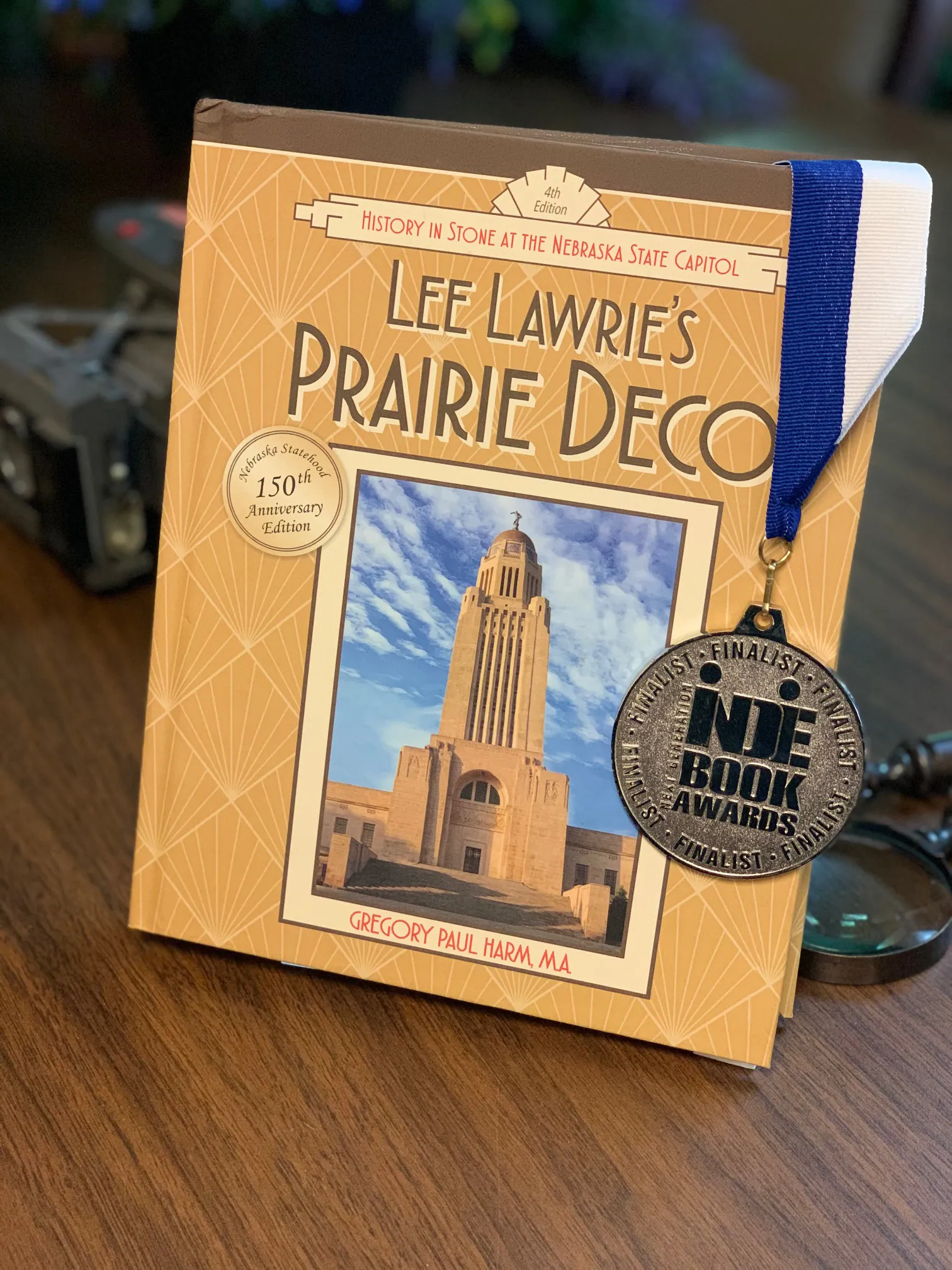
Lee Lawrie’s Prairie Deco is a richly illustrated guide to the sculpture, symbols, and human ambition built into the Nebraska State Capitol.
A building read closely
For readers drawn to Art Deco architecture, Prairie Deco offers something more useful than a quick survey of famous facades. It follows one of America’s most ambitious public buildings through the work of Lee Lawrie, the sculptor who gave the Nebraska State Capitol much of its visual force.
The Capitol is not treated as a backdrop for isolated photographs. Its animals, figures, reliefs, doors, interiors, and symbolic programme are read as parts of a larger idea. The result is a book for people who want to understand how art, architecture, and civic life can be joined in one place.
That focus matters because architectural sculpture is easy to miss in passing. A figure high on a wall, a carved animal near a stair, or an ornamental panel at a doorway can appear incidental until it is connected to the rest of the building. Prairie Deco slows the pace. It puts the details back into their architectural setting and shows why the small elements are not separate from the larger design.
The book also gives the Capitol a human scale. It follows the choices made by artists and architects, the materials they worked with, and the effort required to turn a broad civic idea into finished stone, bronze, and color. Readers come away with a clearer sense of the building, but also with a sharper eye for the way public architecture speaks.
The Nebraska State Capitol
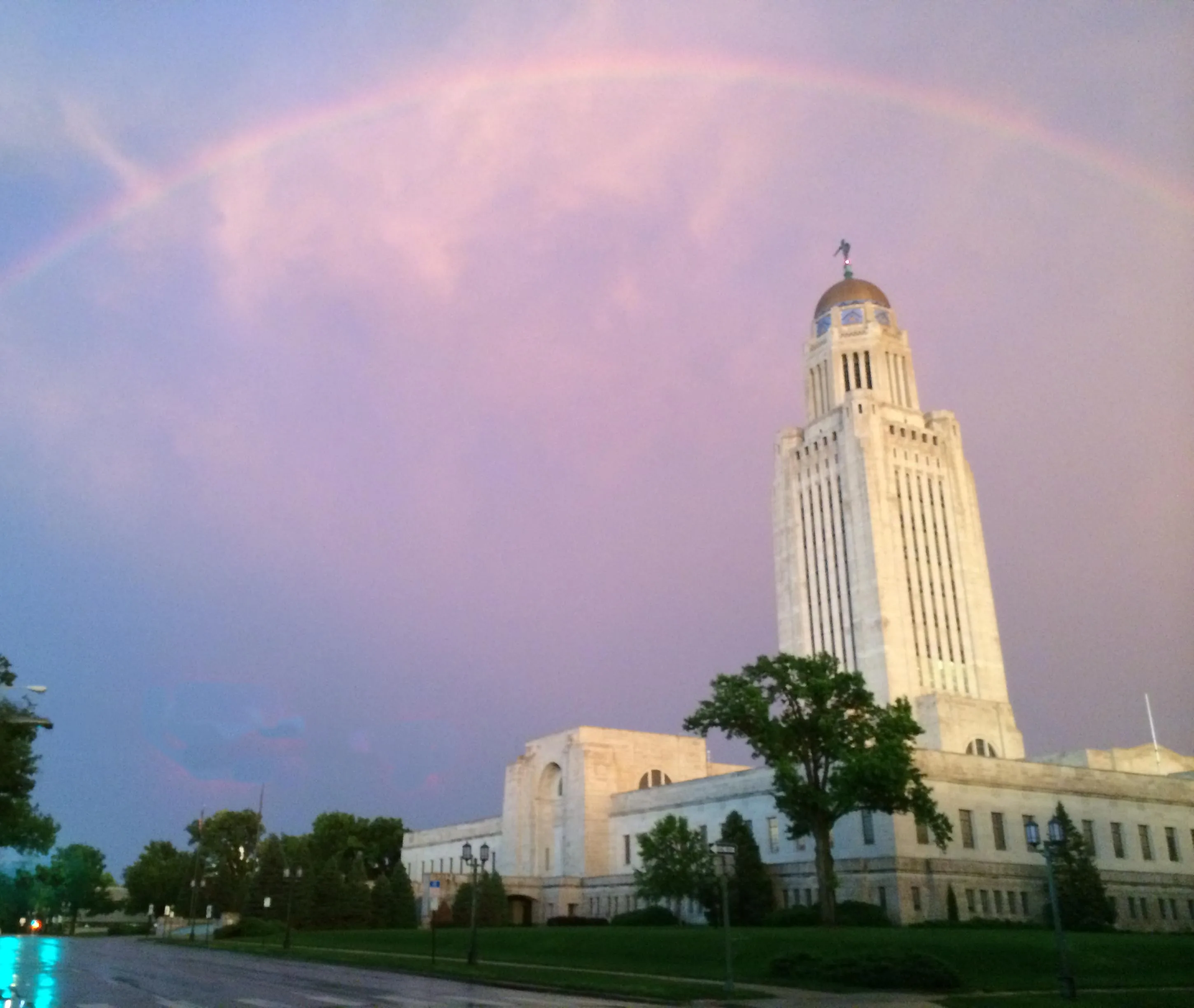
The Nebraska State Capitol gave Lawrie his largest and most sustained architectural commission. In Prairie Deco, the building becomes a way to see the scope of that work: monumental exterior sculpture, animal figures, carved details, ceremonial spaces, and a symbolic language shaped for a modern state.
Gregory Paul Harm’s long study of Lawrie brings the artist’s work into focus without separating it from the building around it. The book considers Lawrie alongside architect Bertram Goodhue and the broader team whose imagination turned a statehouse into a singular American landmark.
From a distance, the Capitol is immediately recognizable for its tower. Up close, it becomes a far more intricate experience. The building asks visitors to look down as well as up, to notice a relief before entering a room, an animal figure beside a path, or a change in material that guides the eye from one part of the structure to another. Prairie Deco uses that movement through the building as part of its story.
Lawrie’s sculpture is not simply placed on the Capitol. It helps establish the building’s character. The forms carry ideas about agriculture, settlement, work, knowledge, law, and the natural world of the Plains. Seen together, they make the Capitol feel less like a collection of decorative features and more like a carefully composed work of public art.
Explore the Capitol in the archiveFor readers who look twice
Art Deco is often reduced to skyline silhouettes, polished metal, and dramatic geometry. Prairie Deco keeps the visual energy of the period in view, but it also shows how the style could carry history, labor, landscape, learning, and public ideals. Lawrie’s sculpture turns the Nebraska Capitol into a sustained conversation between the Great Plains and a machine-age America.
That makes the book a strong fit for architecture readers, Art Deco enthusiasts, historians, preservation advocates, artists, and travelers who want more than a checklist of what to photograph. It is equally at home with a reader preparing for a Capitol visit and one studying how architectural sculpture works when it is made integral to a building.
For architecture readers, the value lies in seeing how the Capitol’s sculptural program works across different scales. Monumental figures command attention, but the book also makes room for the quieter passages that often reveal the most about an artist’s discipline. A relief, a capital, or a small creature may be only one part of a larger scheme, yet it can hold the same care for proportion, gesture, and meaning as a major entrance.
For Art Deco readers, the Capitol offers a useful corrective to the idea that the period belonged only to big cities and commercial towers. Here, modern design is inseparable from regional identity. Prairie landscape, civic purpose, and a strong taste for ornament meet in a building that remains unmistakably of its time while resisting easy labels.
For readers looking for an illustrated architecture book to keep close at hand, see why Prairie Deco makes a distinctive architecture coffee table book.
Inside Prairie Deco
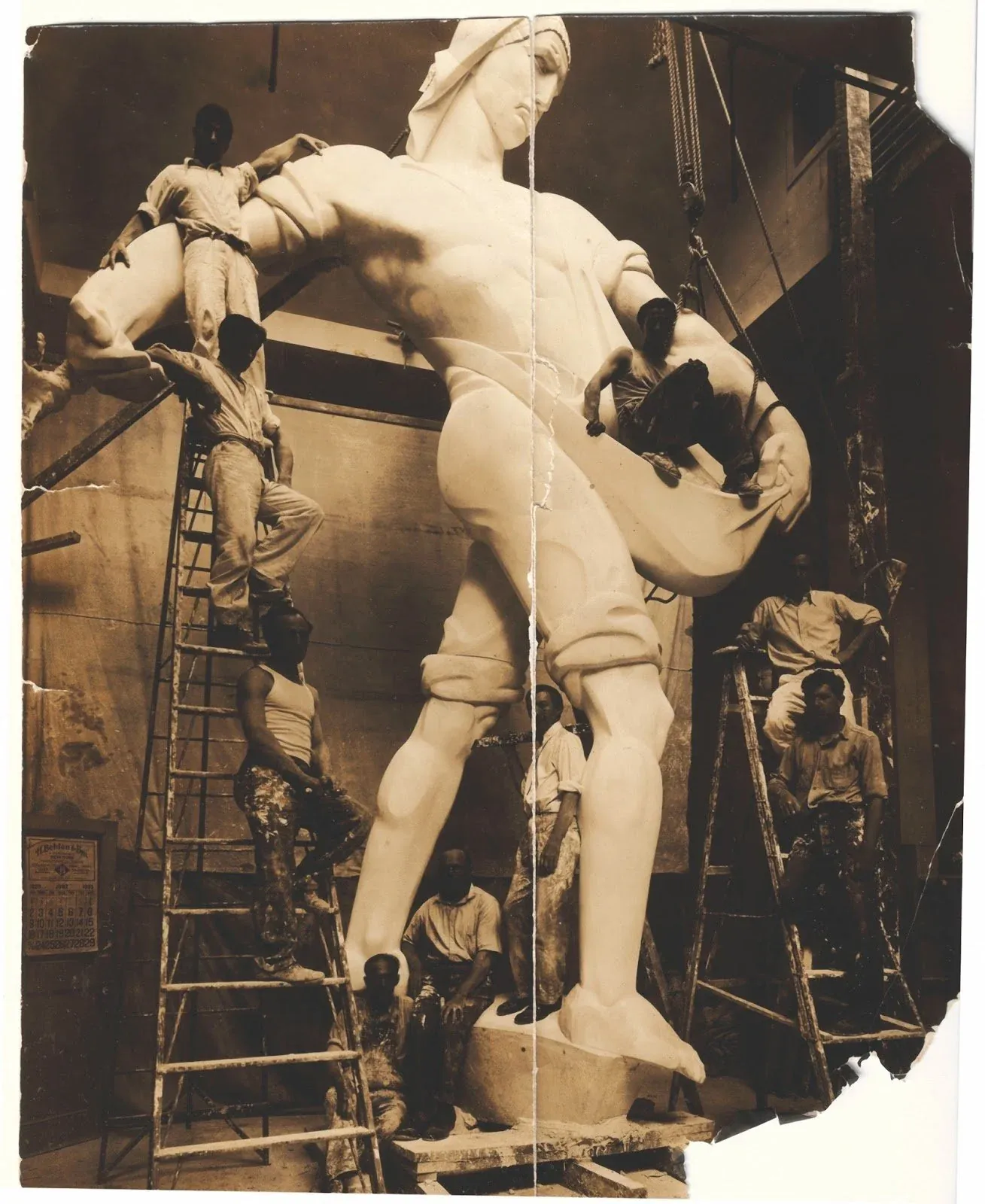
Meet the artist whose career moved from early studio work to some of the defining architectural commissions of twentieth-century America.
Follow the figures, animals, and ornaments that make the building’s public meaning visible at every scale.
See how Lawrie’s sculpture worked with Goodhue’s design rather than arriving as decoration after the fact.
Spend time with the close views that reward a slower look, from models and reliefs to the building’s smaller surprises.
A guide for close looking
A book about architecture should do more than reproduce beautiful photographs. The best ones help a reader understand what they are seeing, where to look next, and why a building’s parts belong together. Prairie Deco approaches the Nebraska State Capitol in that spirit. It moves between wide views and close details so the work can be read as an environment rather than a sequence of isolated objects.
That approach is especially valuable with Lee Lawrie. His work rewards attention to placement. A sculpture can change meaning when it is seen from the street, from a landing, or from the interior space it was made to serve. The book makes room for that shift in viewpoint, connecting design decisions to the experience of moving through a real building.
It also respects the difference between looking at a building and simply collecting images of it. A reader does not need to be an expert to follow the story, but the book does not flatten its subject. It treats the Capitol as a major artistic achievement and gives readers enough context to return to its photographs, the archive, or a future visit with better questions.
Who it is for
Bring the Capitol into focus before a visit, then use the book to keep seeing after the tour is over.
Follow a case study in how sculpture can shape the identity and meaning of a public building.
Choose an illustrated book with a distinctive subject for readers who care about Art Deco and American design.
Reader response
“A rich, beautifully illustrated historical account for art lovers and prairie deco devotees.”
Kirkus Reviews
Choose your edition
Choose the hardbound edition for a lasting addition to an architecture library, or the softbound edition for an accessible, deeply illustrated companion to the building and the archive.
Frequently asked questions
Prairie Deco traces Lee Lawrie’s sculpture at the Nebraska State Capitol, with attention to the artist, his collaborators, the building’s symbols, and the details that make the Capitol a complete work of architectural art.
No. The Capitol is the book’s focus, but its story reaches into Art Deco, architectural sculpture, public art, preservation, photography, and the collaboration between artist and architect.
The fourth edition is available in hardbound and softbound formats through the book’s official purchase links.
Yes. The archive shares the preface and introduction so readers can see the book’s approach before choosing an edition.