Architectural sculpture
See how figures, reliefs, and ornament become part of a building’s identity instead of an afterthought.
Architecture and Art Deco
A richly illustrated study of Lee Lawrie, the Nebraska State Capitol, and the art that gives a great building its lasting presence.
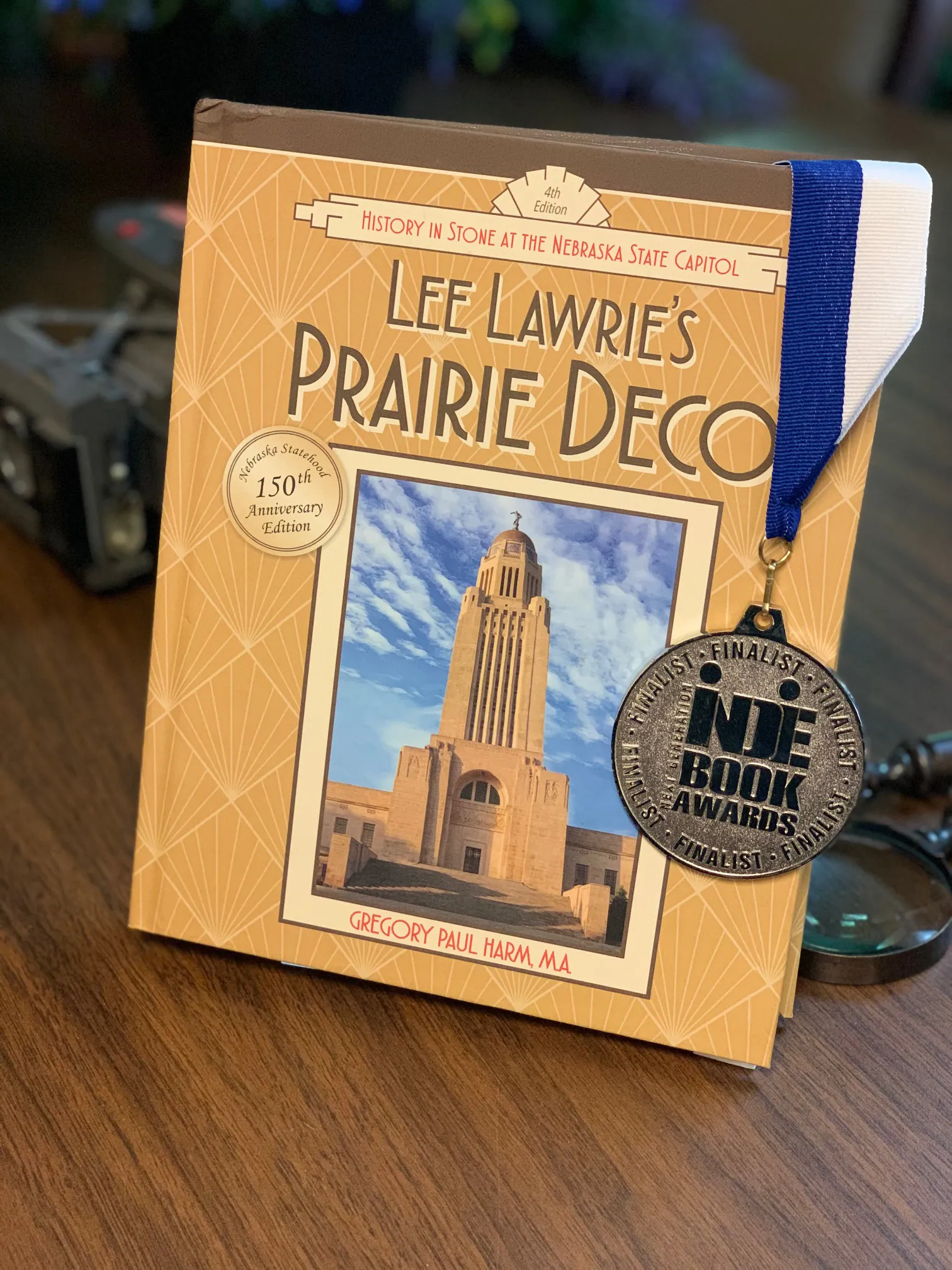
A book worth returning to
The best architecture coffee table books do more than supply an attractive image. They reward a reader who comes back to the same page, notices a new detail, and sees the building with more attention the next time.
Prairie Deco was made in that spirit. Gregory Paul Harm’s richly illustrated study follows Lee Lawrie’s sculpture at the Nebraska State Capitol, one of the most ambitious works of American architectural art. Its subject is a landmark, but its real pleasure lies in close looking: a bronze figure against the sky, a small creature near a path, a relief at a doorway, or a room whose color and ornament carry a larger civic idea.
For a living-room table, studio shelf, or serious architecture library, the book offers an experience that begins with visual impact and keeps opening into history, design, and place. It is built around a single extraordinary building, which gives the reader a complete story rather than a quick sequence of famous views.
That focus makes Prairie Deco a thoughtful gift for anyone drawn to Art Deco, American architecture, public art, photography, or the overlooked work that gives a public building its character.
One landmark, many discoveries
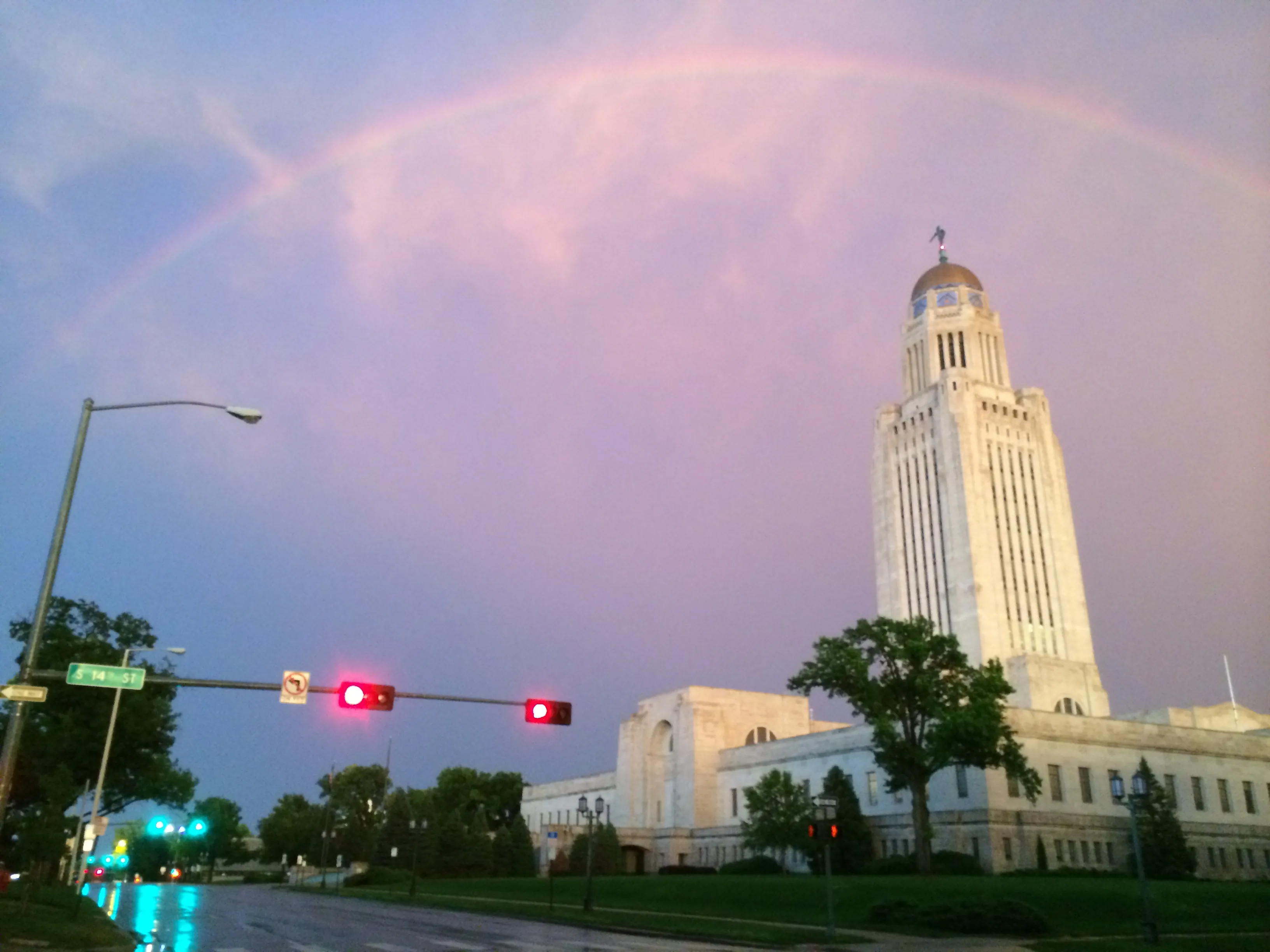
The Nebraska State Capitol is the heart of Prairie Deco because it gave Lee Lawrie his largest and most sustained commission. From its tower to its doors, the building brings sculpture into the daily experience of architecture.
Readers see the Capitol as more than a skyline landmark. The book follows its exterior figures, animals, reliefs, interiors, and ceremonial spaces as parts of one carefully composed program. It also introduces the people who made that program possible, including Lawrie, architect Bertram Goodhue, and the wider circle of artists and thinkers behind the building.
That is what gives the book its staying power. A wide photograph sets the scale, then a close image reveals the hand, material, and thought inside a smaller passage of the work. Each return to the book can lead to a different route through the Capitol.
Explore the Capitol in the archiveFor a table, a studio, or a library
Some architecture books are made to be glanced at. Prairie Deco invites a slower pace. The photographs are there to enjoy, but they also connect each sculpture to its architectural setting, the larger visual program, and the questions that shaped it.
That makes the book a strong fit for readers who care about the difference between decoration and architectural art. Lawrie’s work does not simply sit on the Nebraska State Capitol. It helps the building express ideas about labor, agriculture, knowledge, democracy, and the natural world of the Plains.
For Art Deco readers, the Capitol also broadens the usual picture of the period. Rather than polished city towers alone, it presents modern design in a regional civic setting, where carved stone, bronze, color, and symbol work together at a monumental scale.
For someone opening the book at home, that combination makes each spread feel both immediately visual and full of another place to go next.
Inside Prairie Deco
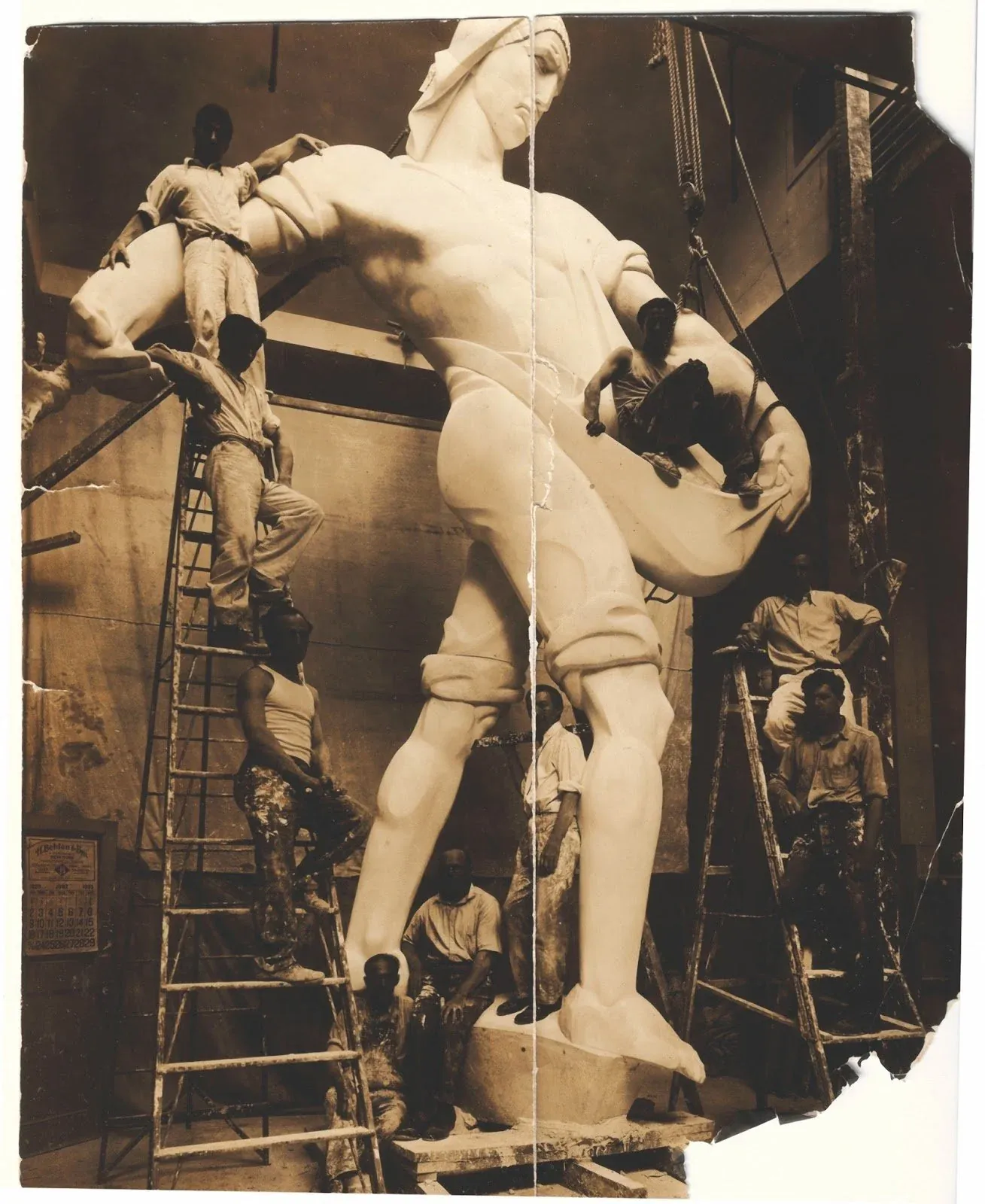
See how figures, reliefs, and ornament become part of a building’s identity instead of an afterthought.
Discover an American interpretation of modern design rooted in a state capitol and the landscape around it.
Follow the artist behind Atlas at Rockefeller Center and one of the country’s richest civic sculpture programs.
Spend time with the models, carvings, color, and small surprises that a quick visit can easily miss.
A thoughtful architecture gift
A meaningful architecture gift should feel personal without requiring the recipient to be an expert. Prairie Deco works because it starts with a striking visual subject, then makes that subject more accessible with clear writing and patient attention to the building’s story.
It suits the collector who already has books on the shelf, the traveler planning a Lincoln visit, the student finding a way into architectural history, and the design-minded reader who wants more than a familiar skyline. The book’s subject is specific enough to be memorable, but broad enough to speak to art, history, preservation, and American design.
For an architecture enthusiast, that balance matters. The book can be opened for a few minutes, read closely over an afternoon, or returned to when a photograph, a building, or a question about public art asks for a deeper look.
Who will enjoy it
Follow a complete case study in how sculpture, space, material, and civic purpose can work together.
See the movement through a monumental public building that expands beyond the usual urban landmarks.
Choose an illustrated book with a singular subject, lasting visual appeal, and a substantial story to tell.
Reader response
“A rich, beautifully illustrated historical account for art lovers and prairie deco devotees.”
Kirkus Reviews
Choose your edition
Choose the hardbound edition for a lasting architecture library or gift, or choose the softbound edition for an accessible, deeply illustrated companion to the Capitol and the archive.
Frequently asked questions
Prairie Deco is a richly illustrated study of Lee Lawrie’s sculpture at the Nebraska State Capitol. It follows the artist, the Capitol’s symbols, and the way sculpture, architecture, and civic life meet across the building.
Yes. It is a distinctive choice for readers interested in Art Deco, American design, public art, preservation, and the stories held in important buildings.
Choose the hardbound edition for a lasting architecture library or gift. Choose the softbound edition for an accessible, deeply illustrated companion to the Capitol and the archive.
Yes. The archive shares the preface and introduction so readers can spend time with the book’s approach before choosing an edition.