Monumental sculpture
See the figures and forms that give the Capitol a strong presence from a distance and a human one up close.
Art Deco and architectural sculpture
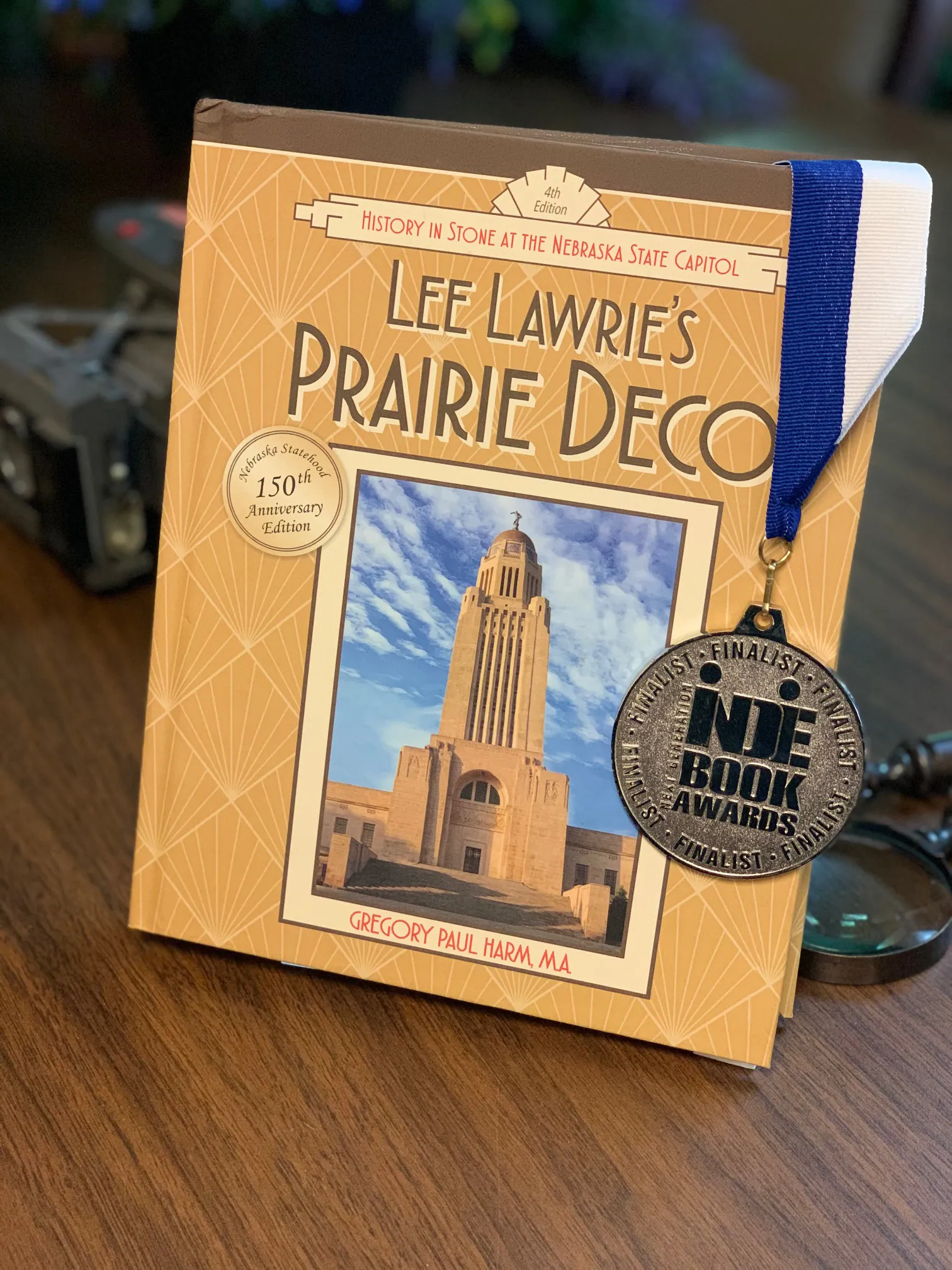
A richly illustrated Art Deco art book that brings Lee Lawrie’s sculpture and the Nebraska State Capitol into clear, lasting view.
Art made for a building
Many Art Deco art books begin with objects made for a gallery, a private collection, or a famous city street. Prairie Deco begins with art made for public life. It follows the sculpture of Lee Lawrie at the Nebraska State Capitol, where figures, animals, reliefs, doors, and interiors give a major building much of its character.
The Capitol is a compelling subject because its art cannot be separated from the place around it. A figure on the tower answers the horizon. A carving near an entrance changes the feeling of arriving. A small detail in a passage or stair brings the building’s larger ideas down to eye level. The book gives each of these encounters room to register.
That makes Prairie Deco a satisfying art book for readers who want more than a sequence of beautiful images. Gregory Paul Harm’s photography and research connect the images to the people, materials, and decisions that made them possible. The result is a visual record that invites attention without requiring prior knowledge of the building or the artist.
For anyone drawn to Art Deco, public art, or the pleasure of looking closely, the book opens a major American landmark through the work that gives it life.
A complete artistic program
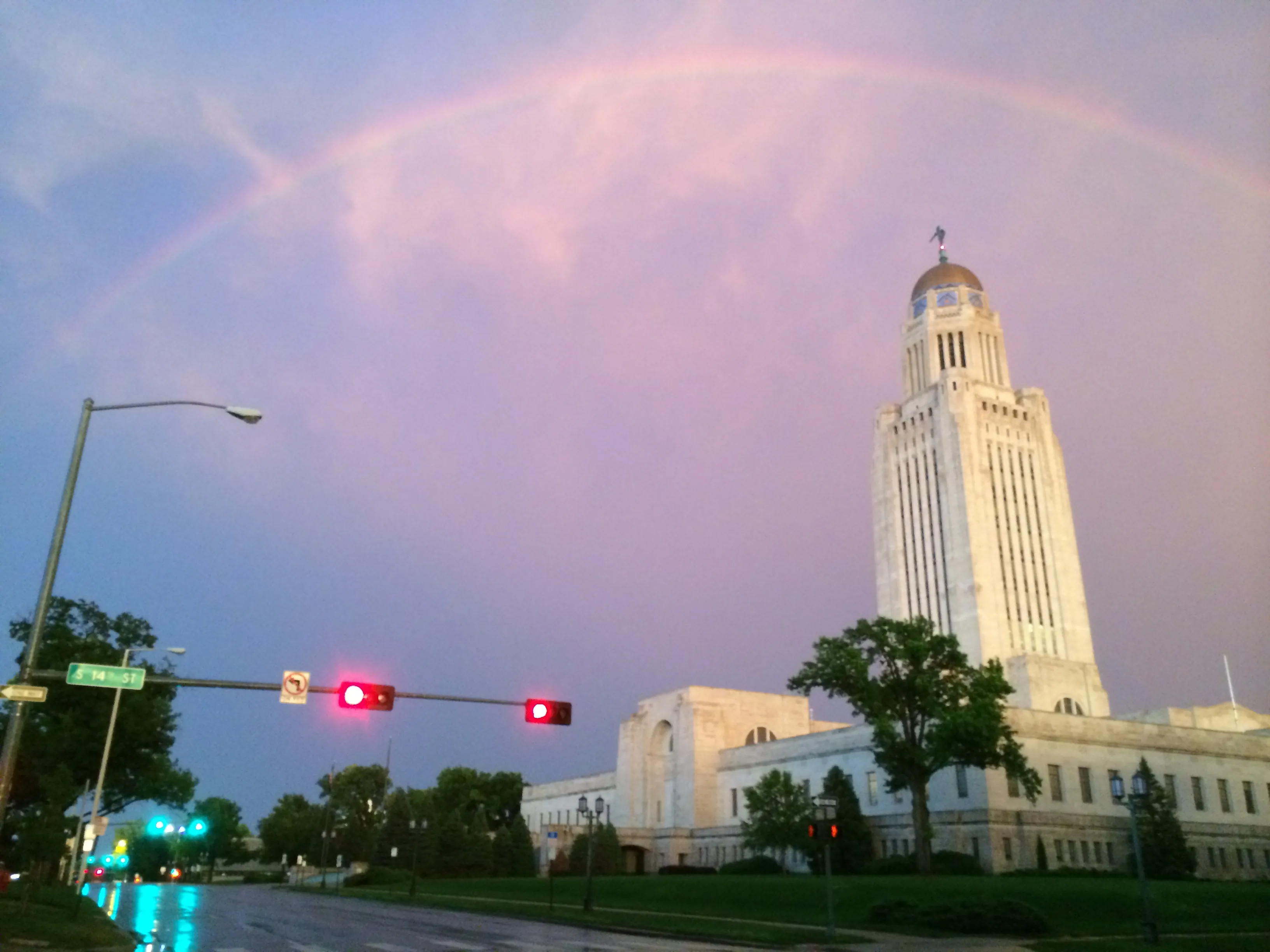
Lee Lawrie’s work at the Nebraska State Capitol is among the most extensive sculptural programs made for an American public building. Prairie Deco follows its range from distant views of the tower to the elements that a visitor meets at walking pace. Monumental form matters, but so do the small decisions that make a building feel considered from one room, threshold, and terrace to the next.
Lawrie’s sculpture gives visual form to the Capitol’s ideas about agriculture, learning, work, law, and the natural world of the Plains. Those ideas are never treated as a checklist. They appear through material, gesture, placement, and repetition, allowing the reader to see how a symbolic program can remain vivid instead of becoming abstract.
The book also keeps the collaboration in view. Architect Bertram Goodhue and the artists around him did not add ornament at the end of a project. They made art part of the building’s structure and meaning from the start. Seeing that relationship makes the Capitol feel less like a background for sculpture and more like a single work shaped by many skilled hands.
Explore the Capitol in the archiveA closer view of Art Deco
Art Deco is often remembered through its most dramatic surfaces: streamlined towers, bright metal, bold geometry, and elegant silhouettes. Prairie Deco keeps that visual energy intact, then looks beyond it. The Nebraska State Capitol shows the style at work in stone, bronze, color, and space, with an attention to history and regional identity that gives the building its own voice.
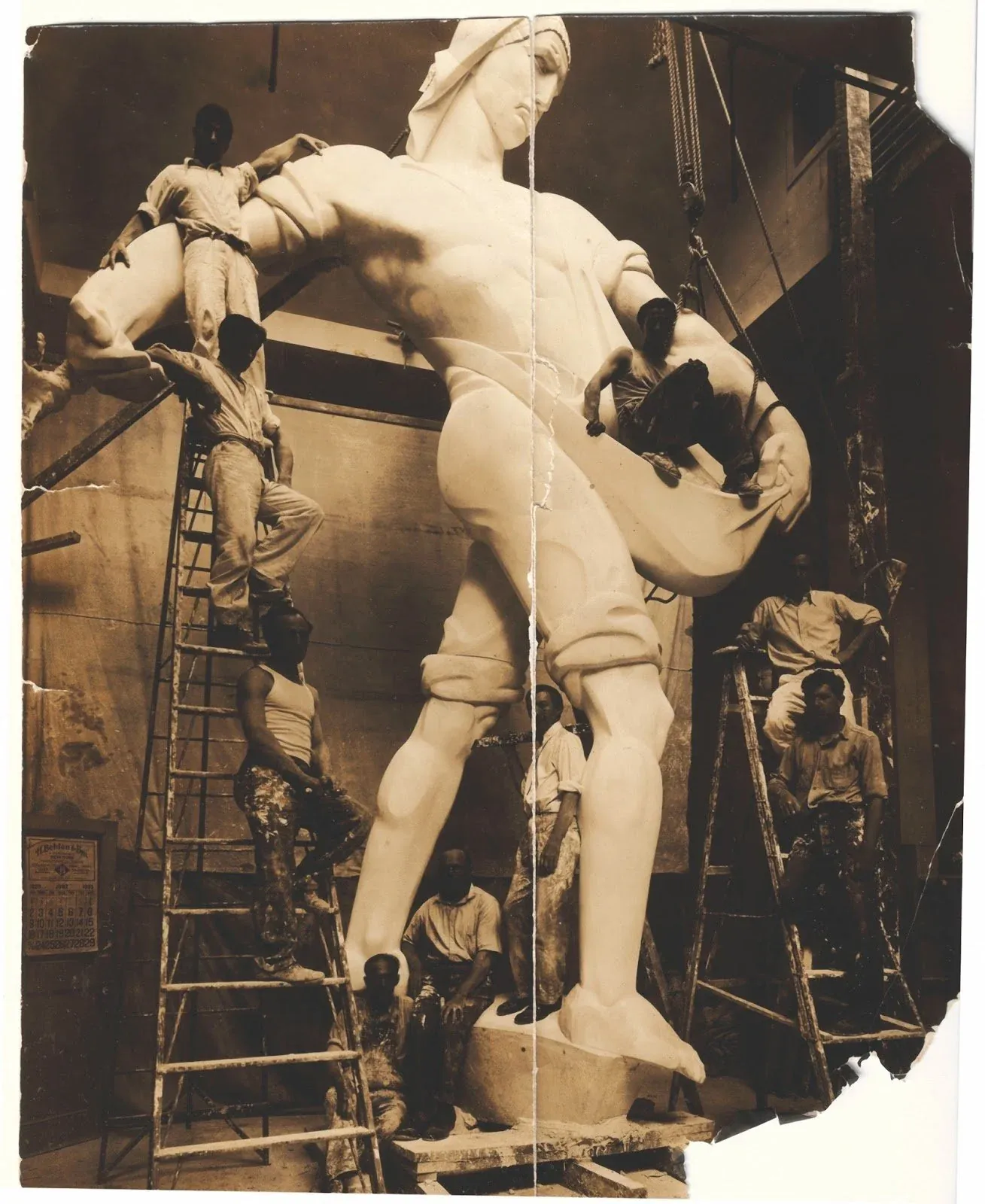
Lawrie was especially suited to this kind of close viewing. His art changes as the reader moves from a broad composition to an individual figure, a carved creature, or a model still carrying the marks of the studio. Prairie Deco lets those shifts in scale become part of the experience. A sweeping photograph establishes the setting; the pages that follow help explain why a small detail belongs there.
That approach is rewarding for art readers because it respects both immediate response and deeper attention. The photographs can hold a room at first glance, but the book continues to offer something after the initial visual impact: a better understanding of what an artist was trying to make visible and how a building can carry that effort across generations.
Readers who are especially interested in the Capitol’s design can also explore Prairie Deco as an Art Deco architecture book.
Inside the book
See the figures and forms that give the Capitol a strong presence from a distance and a human one up close.
Follow the way imagery, materials, and placement turn public ideas into something visitors can see and remember.
Move from Lawrie’s models and working methods to the finished sculpture that became part of the building itself.
Spend time with images that show how details, interiors, and exterior views belong to one visual world.
For readers who look closely
A strong art book creates more than a record of what something looks like. It helps a reader notice relationships that may not be visible at first glance. Prairie Deco does this by staying with one landmark long enough for its parts to become legible: how a model relates to a finished figure, how a relief changes an approach to a doorway, and how the building’s interior and exterior speak to each other.
This is particularly valuable with architectural sculpture. Unlike a work on a pedestal, it meets the viewer in motion. It can be above a door, at the edge of a plaza, or high on a tower, and each position gives it a different role. The book’s sequence of photographs allows readers to slow that experience down and take in the visual choices that are easy to pass by in person.
Prairie Deco also makes a persuasive case for Lee Lawrie as an artist worth knowing beyond one famous New York commission. The Nebraska State Capitol lets readers see the breadth of his imagination in a setting where sculpture is not secondary. It is essential to the building’s emotional and public presence.
For a broader view of the book as a gift or a visually rich volume to keep on hand, visit Prairie Deco as an architecture coffee table book.
A good fit for
Discover a major artistic environment that expands the familiar story of the period beyond its best-known city landmarks.
See how an artist can shape a building through scale, symbol, material, and a sustained eye for detail.
Choose an illustrated book with a distinctive subject, substantial visual appeal, and more to return to after the first reading.
Reader response
“A rich, beautifully illustrated historical account for art lovers and prairie deco devotees.”
Kirkus Reviews
Choose your edition
Choose hardbound for a lasting art or architecture library, or choose softbound for an accessible, richly illustrated way into Lee Lawrie’s work and the Nebraska State Capitol.
Frequently asked questions
Prairie Deco centers on Lee Lawrie’s architectural sculpture at the Nebraska State Capitol, from monumental exterior figures to reliefs, doors, models, and smaller details built into the landmark.
It is both. The book treats sculpture, color, ornament, and architecture as parts of one complete work of art, while keeping Lee Lawrie’s contribution clearly in view.
It is a strong fit for readers interested in Art Deco, American art, public sculpture, architecture, preservation, and the stories held in important buildings.
Yes. The archive shares the preface and introduction so readers can spend time with the book’s approach before choosing an edition.