Nebraska’s civic landmark
See the Capitol as a public building shaped by the state’s landscape, ideals, and visual imagination.
Nebraska history and public art
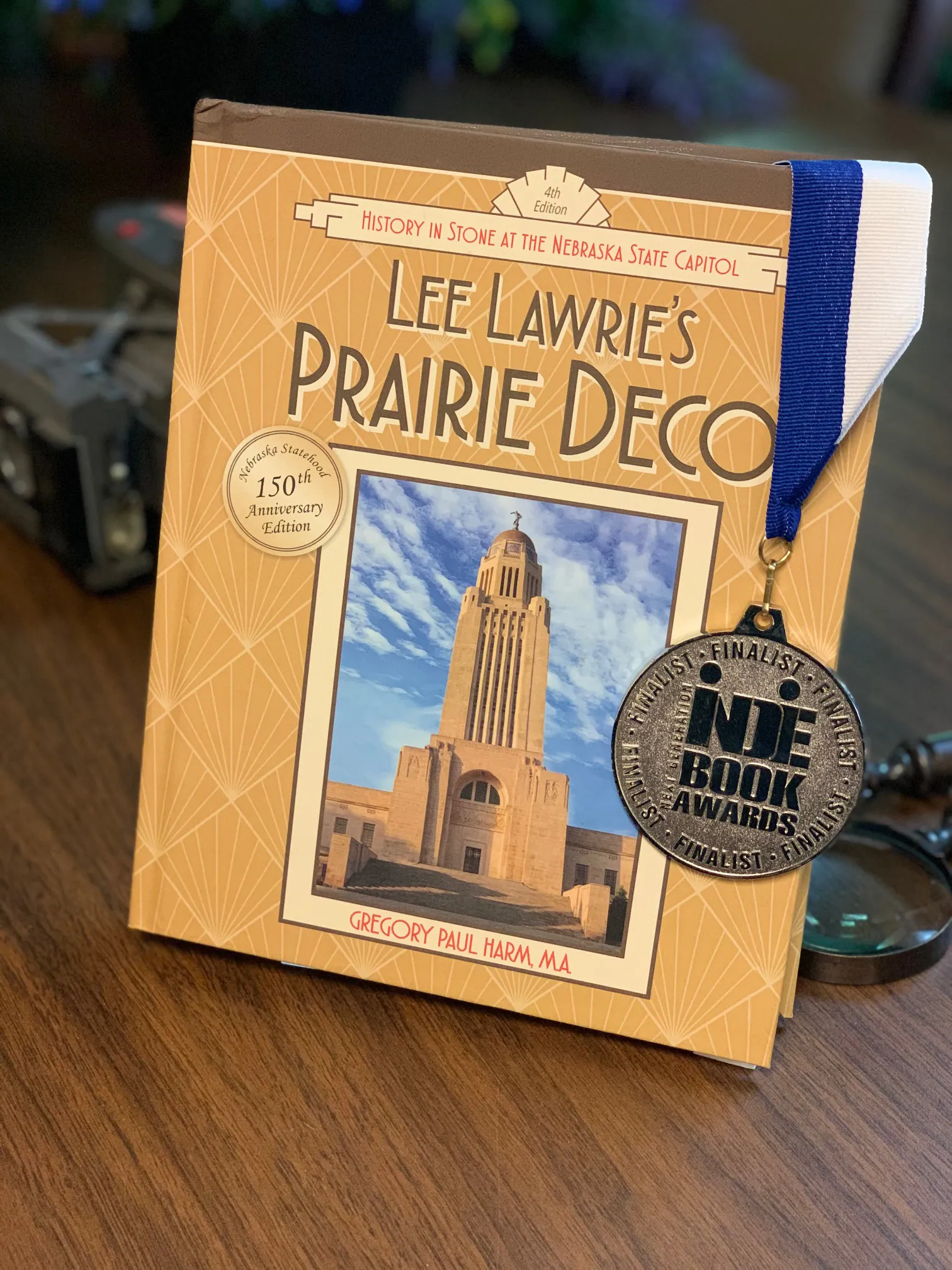
A richly illustrated Nebraska history book about the State Capitol, the artist Lee Lawrie, and a landmark built to tell the story of a place.
A Capitol with a larger story
Nebraska history is often told through dates, leaders, landscapes, and turning points. Prairie Deco takes another route. It begins with the Nebraska State Capitol and asks what a public building can reveal about the people who made it, the values they wanted it to carry, and the artistic ambition they brought to a young state.
The Capitol is a fitting place to begin because history is built into its fabric. Its tower rises from the Plains with the Sower at its summit. Its walls, doors, rooms, and walks carry figures, animals, materials, and symbols that connect public life to agriculture, work, learning, law, and the landscape beyond Lincoln.
Gregory Paul Harm’s photographs and research make those connections visible. They bring readers close to the sculptures of Lee Lawrie, the artist behind Atlas at Rockefeller Center and one of the central creative forces in the Capitol’s visual character. The book follows his work without pulling it away from the architecture and history that gave it purpose.
For readers interested in Nebraska, Prairie Deco offers a history that can be entered through a building. It makes room for broad civic ideas and close details alike, from the Capitol’s commanding silhouette to the smaller carvings that reward a slower walk through its grounds and interiors.
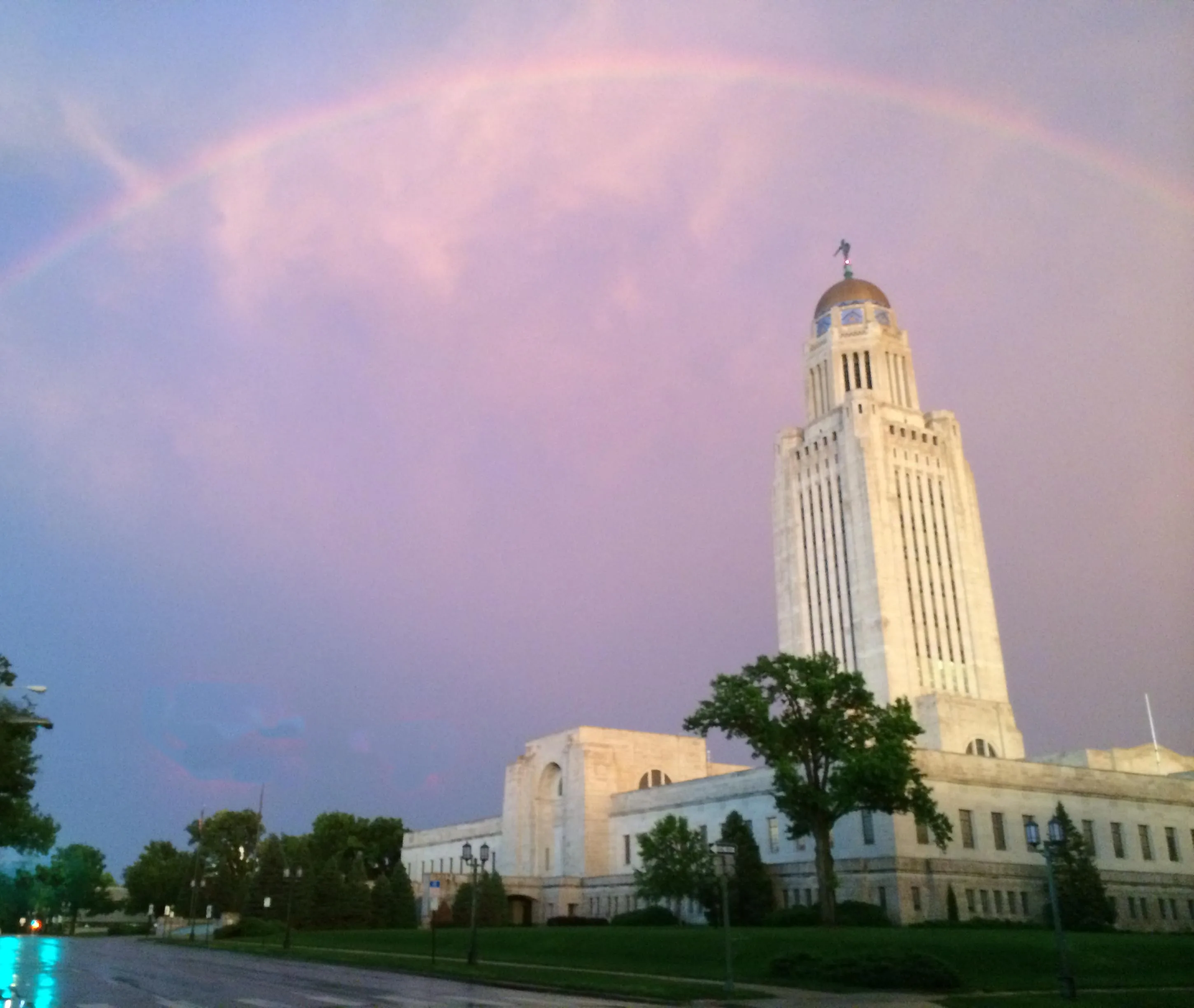
The Nebraska State Capitol
Prairie Deco centers on the Nebraska State Capitol because it is far more than a government building. Designed by Bertram Goodhue and filled with a coordinated program of art, it became a place where architecture could hold together Nebraska’s past, present, and aspirations for the future.
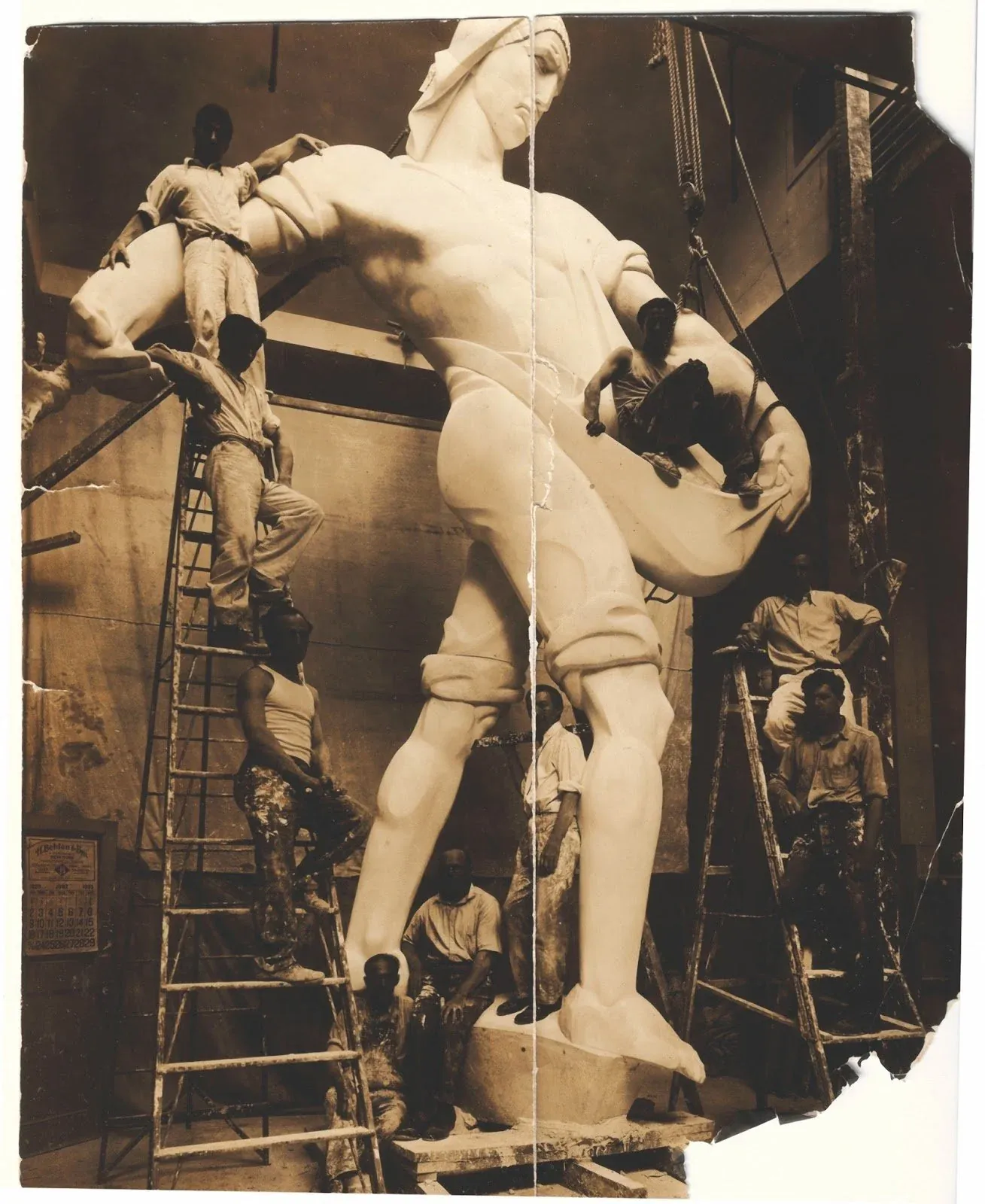
Lawrie’s sculpture is essential to that experience. His work meets visitors at many scales: high above the city, beside an entrance, in a ceremonial room, or in a passage where a small relief changes the feeling of moving through the building. The book helps readers see how those encounters belong to a single whole.
That attention is especially valuable for a Nebraska history reader. The Capitol’s art does not simply decorate an already-finished structure. It records how the state imagined its relationship to the Plains, its industries, its public institutions, and the shared responsibilities of civic life.
Harm’s long study gives the book a patient, visual perspective. Wide views establish the scale of the landmark, while close photographs allow a reader to spend time with a hand, a gesture, an animal, a carved edge, or a weathered surface that a quick visit might miss.
Explore the Capitol in the archiveHistory that stays close to the place
Lee Lawrie is familiar to many people through a handful of major works, especially Atlas in New York. Prairie Deco shows why Nebraska deserves equal attention in his career. At the Capitol, he had the chance to work across a remarkable range of forms and materials, helping turn one building into an unusually complete work of architectural art.
The book also gives Nebraska its proper place in the story of American design. Art Deco did not only belong to the big city skyline. At the Capitol, modern form met the particular character of the Plains. Stone, bronze, color, and symbolic imagery were used to give a civic landmark its own language.
That makes Prairie Deco useful whether a reader is preparing for a Lincoln visit, remembering a familiar building, building a regional history collection, or looking for a more personal way into the state’s cultural life. It is grounded in one location, but it opens onto larger questions about art, public memory, and what a statehouse can stand for.
For a broader view of the book’s Art Deco setting, explore Prairie Deco as an Art Deco architecture book.
Inside Prairie Deco
See the Capitol as a public building shaped by the state’s landscape, ideals, and visual imagination.
Follow the artist through monumental figures, rooms, doors, reliefs, and details made for the building.
Understand how Goodhue, Lawrie, and their collaborators joined design with ideas about civic life.
Spend time with wide views and close details that make a familiar landmark newly visible.
For a Nebraska bookshelf
A Nebraska history book earns a place on the shelf when it gives a reader something to return to. Prairie Deco does that by pairing a focused subject with a rich visual record. The Capitol’s scale draws readers in, and its details give them reasons to come back.
The book is specific without being narrow. Its story includes the creative partnership behind the Capitol, the symbolic role of public art, the region that shaped its imagery, and the artist whose work made those ideas visible. Each part adds another way to understand the building and the state around it.
It is also a strong choice for a reader who values a history they can share. A visitor can use it to prepare for a trip to Lincoln. A longtime Nebraskan can revisit a familiar landmark with fresh attention. A collector can place it alongside books on American art, architecture, preservation, and the Great Plains.
Rather than reducing the Capitol to a single postcard view, Prairie Deco gives it time. The result is a book that holds both the sweep of Nebraska history and the pleasure of looking closely at the art that helps tell it.
A good fit for
Discover a visual account of the Capitol that connects art, public life, and the state’s enduring identity.
Bring more context to a Lincoln visit, then keep exploring the building after the tour is over.
Choose an illustrated book with a singular regional subject and lasting appeal for art and history readers.
Reader response
“A rich, beautifully illustrated historical account for art lovers and prairie deco devotees.”
Kirkus Reviews
Choose your edition
Choose hardbound for a lasting Nebraska history or architecture library, or choose softbound for a richly illustrated companion to the Capitol and the archive.
Frequently asked questions
Prairie Deco follows the making of the Nebraska State Capitol through its architecture, Lee Lawrie’s sculpture, the ideas built into its public spaces, and the people who brought the landmark into being.
Yes. The book helps visitors recognize the figures, symbols, materials, and details they may encounter around the Capitol, then gives them context to keep exploring after a visit.
No. It is written for readers who care about Nebraska, public art, history, design, or photography, with a visual approach that makes the Capitol accessible before technical knowledge is needed.
Choose hardbound for a lasting addition to a Nebraska history or architecture library. Choose softbound for a deeply illustrated edition to read, share, or take along on a Capitol visit.