One complete landmark
Trace how a major public building holds architecture, sculpture, interior design, and civic purpose together.
Art Deco, architecture, and public art
A richly illustrated look at an Art Deco landmark, where Lee Lawrie’s sculpture, architecture, and civic life were designed as one complete world.
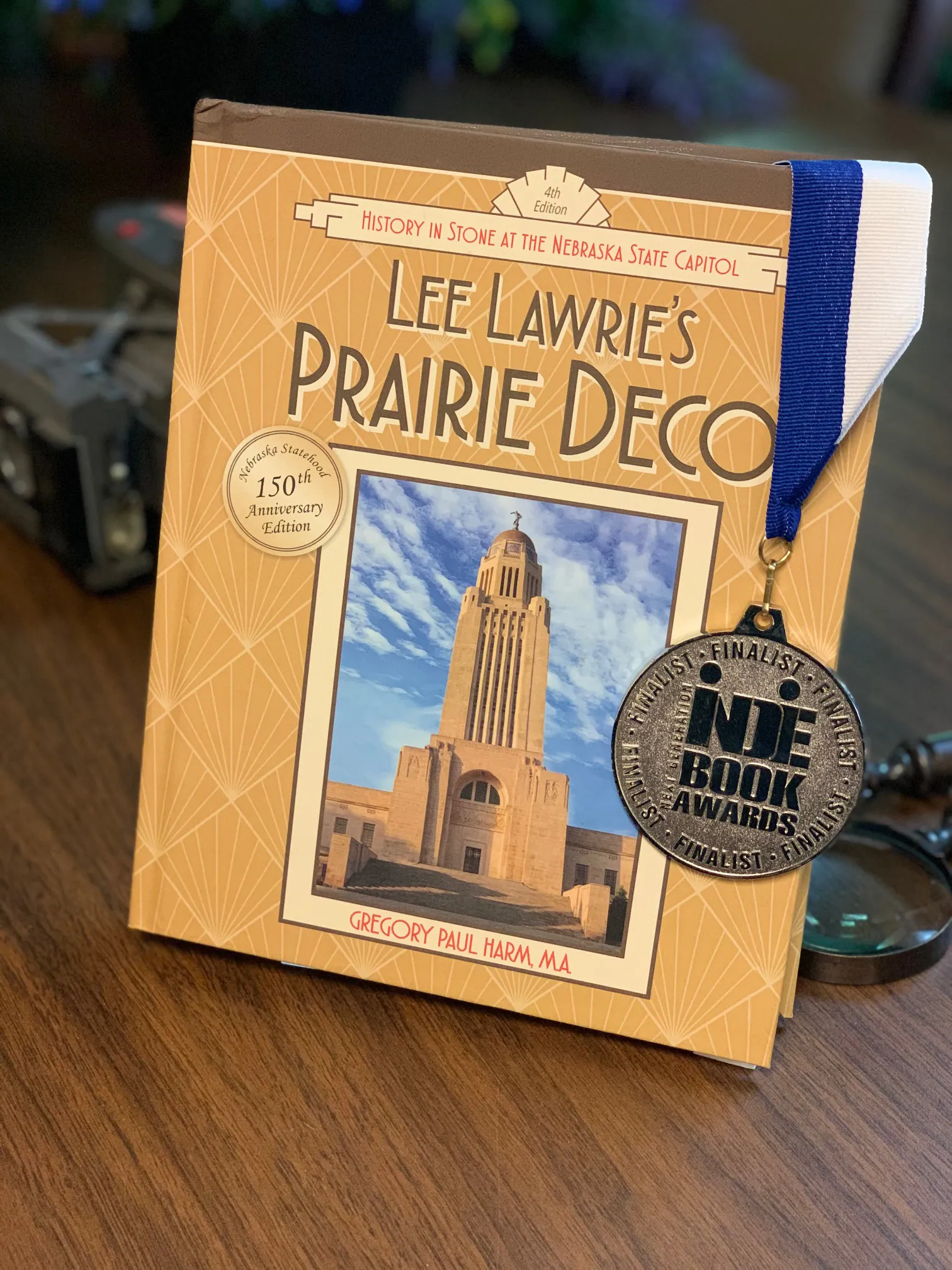
One building, fully explored
The most memorable Art Deco buildings do not reveal themselves in one glance. A tower may catch the eye first, but then come the doors, the carved reliefs, the figures along a wall, the room where colour changes the mood, and the details that make a public place feel unlike any other.
Prairie Deco is built around that kind of looking. Gregory Paul Harm’s richly illustrated book follows the Nebraska State Capitol, a landmark whose architecture and art were conceived together from the start. It invites readers to move between the building’s monumental outline and the smaller encounters that give it depth.
At the centre is Lee Lawrie, the sculptor whose work helps give the Capitol its particular character. His figures appear against the skyline, beside entrances, through interior spaces, and in places that reward a reader who slows down. The book brings those works into view with photography and research that make each part of the building feel connected to the whole.
For readers drawn to Art Deco buildings, architecture, or public art, it offers something more satisfying than a quick survey. It is an opportunity to spend time inside one extraordinary work of American design.
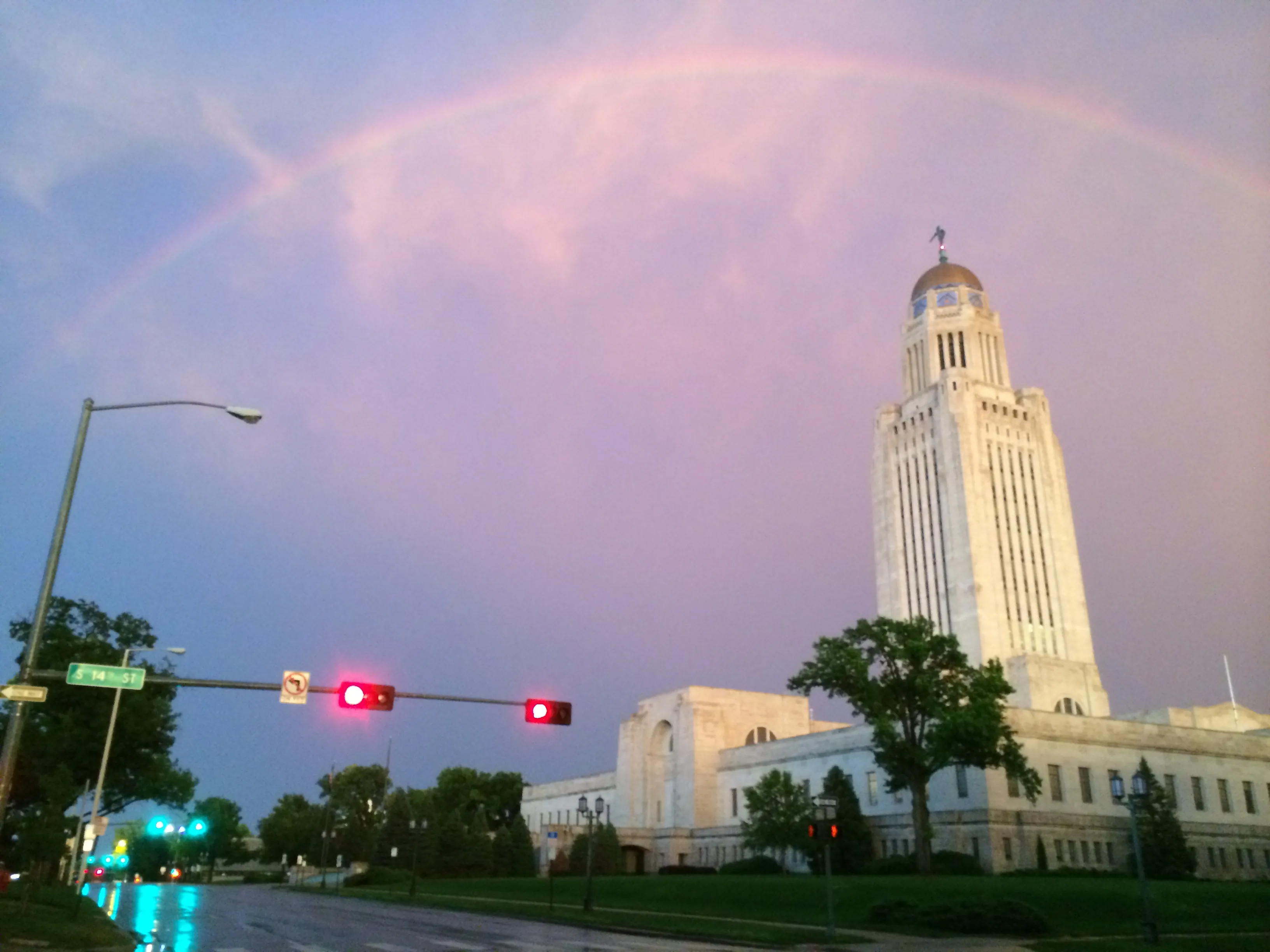
A landmark made to be explored
The Nebraska State Capitol is the heart of Prairie Deco because it gives the reader an unusually complete Art Deco environment. Its modern form is shaped by the Great Plains, by public life, and by a symbolic program that reaches from the Sower on the tower to animals, reliefs, interiors, and ceremonial spaces.
The book makes room for both scale and detail. A wide view establishes the Capitol’s presence. A closer image reveals how sculpture changes the experience of a doorway, a stair, or a wall. Along the way, readers meet the collaboration between Lawrie, architect Bertram Goodhue, and the wider group of artists and thinkers who gave the building its visual language.
That balance makes the book rewarding whether it is opened for a few minutes or read closely from beginning to end. It keeps the pleasure of beautiful photographs while giving the reader a stronger sense of what each work was made to do.
Explore the Capitol in the archiveA different way into Art Deco
Art Deco is often represented by famous towers and polished interiors. The Capitol broadens that picture. Here, a modern style is tied to landscape, agriculture, learning, labour, law, and the natural world of Nebraska. The result is grand, but never anonymous.
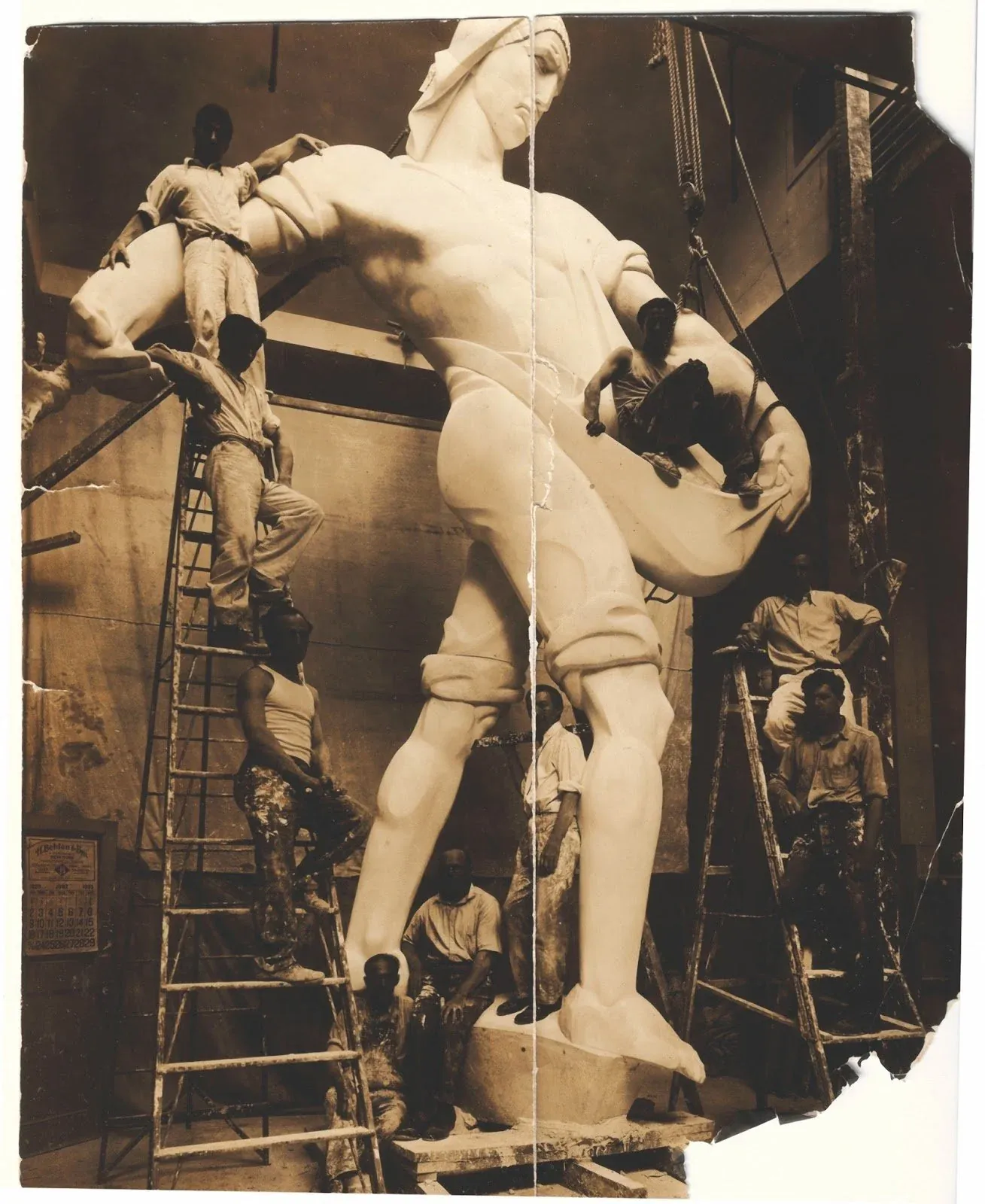
Lawrie’s sculpture is essential to that experience. A distant figure sets a skyline in motion. A relief adds meaning to a threshold. A small creature or carved pattern makes a reader reconsider a familiar view. Prairie Deco follows those shifts in scale so that the building can be understood as a complete artistic composition, not simply a collection of impressive parts.
The book is also a useful companion to a visit, a personal design library, or an interest in American architectural art. Readers can explore the book’s preface and introduction before choosing an edition, then continue through the archive’s extensive Capitol material at their own pace.
What readers will find
Trace how a major public building holds architecture, sculpture, interior design, and civic purpose together.
Discover the artist behind Atlas at Rockefeller Center through his largest and most sustained commission.
Move from striking views to the smaller details that explain how the Capitol works as a visual whole.
See how Art Deco absorbed Nebraska’s landscape, history, and ideals without losing its modern force.
For an architecture and Art Deco library
A strong book about an Art Deco building should preserve the excitement of seeing it while making the next look more meaningful. Prairie Deco does both. Its photographs make the Capitol immediately accessible, and its research gives readers clear paths through the artist, the architecture, and the ideas held in stone and bronze.
It is especially rewarding for readers who want an Art Deco book with a specific, deeply researched subject. Rather than repeating the usual shorthand of the era, it follows one landmark closely enough to show how public architecture can be monumental, regional, symbolic, and personal all at once.
Choose hardbound for a substantial addition to an art or architecture library, or softbound for an inviting, richly illustrated companion to the Capitol and the archive.
Choose your edition
Bring home a richly illustrated encounter with the Nebraska State Capitol and the artist whose sculpture made it singular.
Frequently asked questions
Prairie Deco follows one complete Art Deco landmark, the Nebraska State Capitol, through its architecture, sculpture, interiors, symbols, and the people who made it. It shows how a building becomes a work of art at every scale.
Yes. The Capitol is the book’s central subject. Its tower, exterior sculpture, doors, interiors, and smaller details give readers a close view of a landmark that rewards return visits.
It is for readers interested in Art Deco, architecture, architectural sculpture, public art, Nebraska history, photography, and thoughtful books about remarkable places.
Yes. The archive shares the preface and introduction, as well as extensive Capitol material, so readers can experience the book’s approach before choosing an edition.