Sculpture in context
Follow works as part of streets, terraces, entrances, rooms, and views rather than as disconnected images.
Art made for a shared place
A richly illustrated public art book about Lee Lawrie’s sculpture and the civic ideas built into the Nebraska State Capitol.
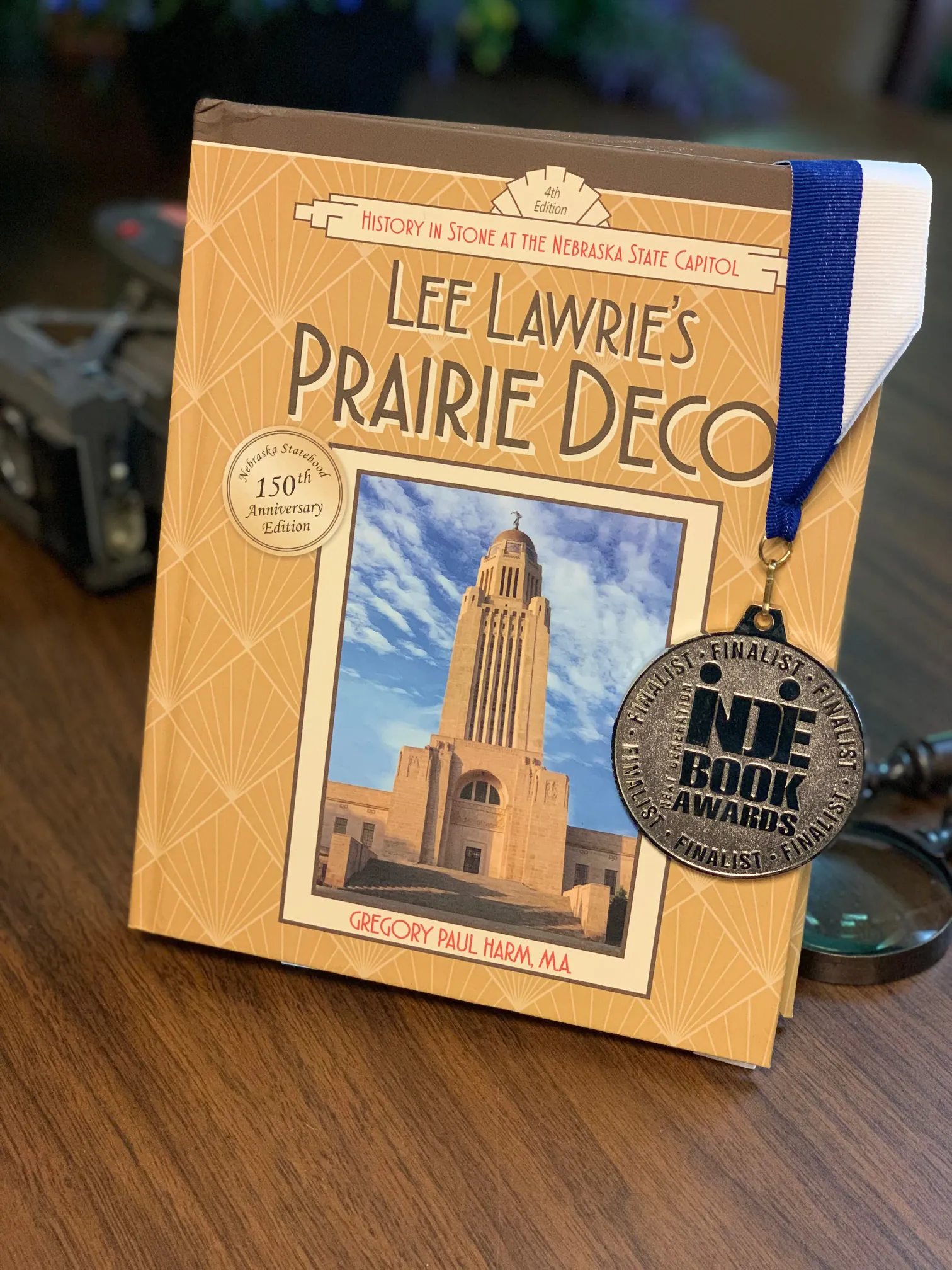
A building that speaks
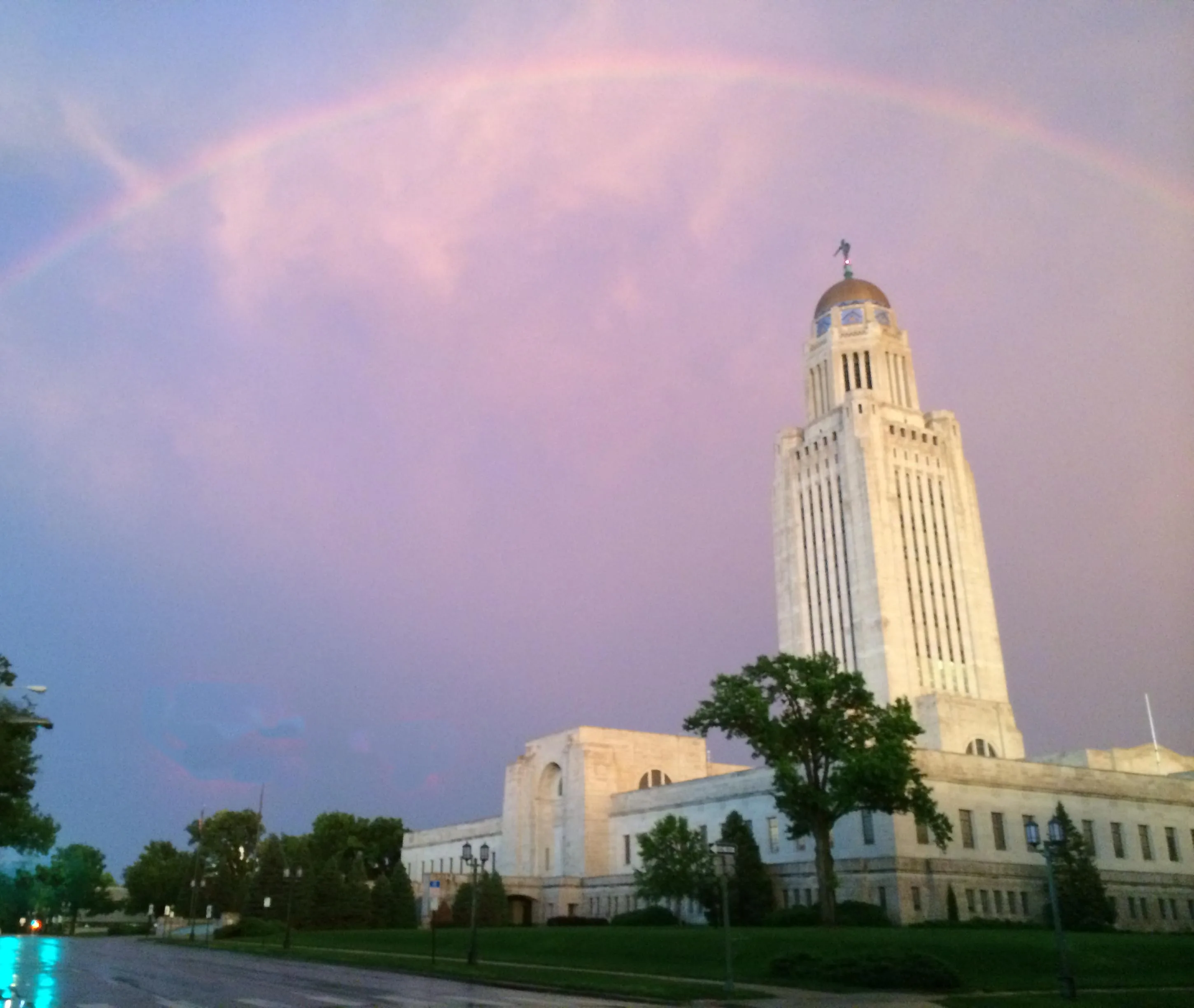
Prairie Deco begins with a simple proposition: art in a civic building can help a community see what it values. The Nebraska State Capitol is full of such work, from the Sower high above Lincoln to figures, animals, doors, reliefs, and interiors that meet visitors at a human scale.
Gregory Paul Harm’s photographs and research bring those encounters together. Rather than treating the Capitol’s art as a set of isolated objects, the book follows the relationships among sculpture, architecture, landscape, history, and daily public life. A figure on the skyline, a carved doorway, or a small ornamental detail becomes part of a larger visual language.
At the centre of that language is Lee Lawrie, one of the twentieth century’s most prolific architectural sculptors. His work at the Capitol shows what public art can do when it is planned as part of a place, not added after the fact. Prairie Deco gives readers time to see that work closely, understand its setting, and return to it with fresh attention.
One commission, many ways of looking
The Capitol offers an unusually complete case study in public art. Its sculpture is not confined to a gallery or a single plaza. It changes the experience of arriving, entering, waiting, climbing, and looking out across the city.
Lawrie’s work moves between monumental and intimate scales. The Sower is visible from far away, while reliefs and details reward a visitor who slows down at a doorway or along a corridor. Prairie Deco preserves that range, pairing broad architectural views with close photographs that make individual decisions in stone, bronze, and colour easier to notice.
The book also makes clear that public art has a setting and a purpose. The Capitol’s imagery draws on Nebraska’s landscape, agriculture, labour, law, learning, and history. These themes are not a decorative backdrop. They are the material through which the building addresses the people who use it.
A record of looking closely
Many public artworks are passed every day without being fully seen. Prairie Deco offers a different pace, letting readers move from the Capitol’s overall form to the people, stories, and craft held in its details.
That makes the book useful in more than one way. It can be read before a visit to Lincoln, opened after a visit when a particular work stays in mind, or kept nearby as a photographic study of an American landmark. Each return can begin with an image and lead outward to the ideas, collaborators, and decisions behind it.
It is also an invitation to look beyond familiar labels. The Capitol is Art Deco, but its art is not merely an example of a style. It is a connected body of work made for a specific public setting. The book gives that specificity room, allowing the reader to see both the ambition of the whole and the individual work within it.
What readers can explore
Follow works as part of streets, terraces, entrances, rooms, and views rather than as disconnected images.
Move between expansive photographs of the Capitol and close studies of craft, material, and symbolic detail.
See how the building’s art carries ideas about place, work, law, learning, and the people it serves.
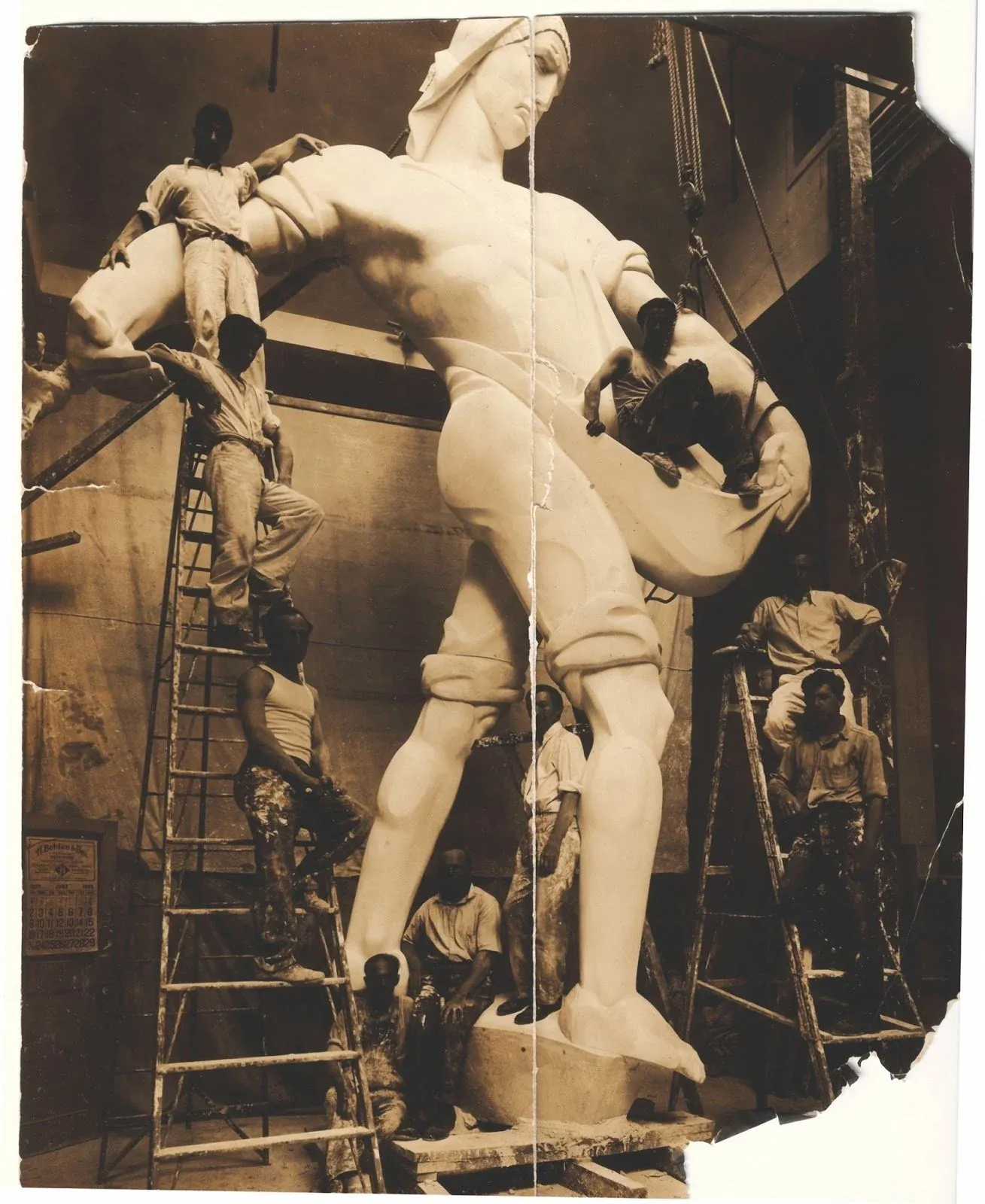
Meet the artist behind Atlas at Rockefeller Center through his largest and most complete commission.
For curious readers and thoughtful givers
Prairie Deco is for readers who care about the art that shapes shared places, whether they arrive through architecture, sculpture, history, photography, or a connection to Nebraska. It makes a large and complex commission approachable without making it small.
For public-art readers, the book offers a rare chance to stay with one commission long enough to understand its layers. It shows how an artist’s work can guide movement through a building, give weight to an entrance, and connect a contemporary visitor with older ideas about community and responsibility.
For a gift buyer, that specificity is part of its appeal. Prairie Deco is not a broad catalogue of unrelated monuments. It is a richly illustrated encounter with one remarkable place and the artist whose work made it unforgettable. The result feels personal, substantial, and rewarding long after the first reading.
Its photographs make the book equally useful for a reader who has never been to Lincoln and someone who knows the Capitol well. A distant view establishes the building’s presence, while a close image can reveal a modelling choice, a surface, or a symbol that would otherwise be easy to pass by. The page turns become a way of practising attention.
Readers can continue the journey through the archive’s Nebraska State Capitol collection, learn more about Lee Lawrie, or read the book’s Preface and Introduction before choosing an edition.
A meaningful choice for
Spend time with an integrated artistic programme rather than a single isolated work.
See how sculpture and architecture can form one complete visual experience.
Prepare for a Capitol visit or carry its art home in a more lasting form.
Choose an image-rich book with a distinctive subject and a genuine sense of place.
Reader response
“A rich, beautifully illustrated historical account for art lovers and prairie deco devotees.”
Kirkus Reviews
Choose your edition
Choose hardbound for a lasting art or architecture library, or choose softbound for an inviting companion to the Capitol and the archive.
Frequently asked questions
The book follows sculpture, reliefs, doors, interior details, models, and symbolic imagery made for the Nebraska State Capitol. Together, these works show how art can give a public building meaning as well as beauty.
Yes. It is a rewarding companion before or after a visit, with photographs and context that help readers notice the Capitol’s sculpture from the tower and terraces to entrances and interiors.
It is for readers interested in public art, Art Deco, architectural sculpture, American history, civic buildings, photography, and the stories held in the places communities share.
Yes. The archive shares the book’s preface and introduction, as well as extensive photographs of the Nebraska State Capitol, so readers can see its approach before choosing an edition.